Starting a stretching practice can feel overwhelming. There are countless techniques, conflicting advice, and a nagging sense that you are probably doing something wrong. Should you stretch before or after exercise? How long should you hold each position? Is pain normal?
This guide answers those questions and more. We will cover the fundamentals of stretching, introduce a simple routine you can start today, and set realistic expectations for what consistent practice can achieve.
No prior experience required. No advanced flexibility needed. Just the willingness to spend a few minutes each day working on your mobility.
Why Stretch at All?
Before diving into technique, it helps to understand what stretching actually accomplishes.
Improved Range of Motion: Regular stretching increases the distance your joints can move through their full arc. This makes daily activities easier and reduces the sense of stiffness that comes from sedentary living.
Reduced Muscle Tension: Stretching helps release tightness that accumulates from repetitive postures (like sitting) or physical activity. This tension relief often translates to feeling more relaxed and comfortable in your body.
Better Body Awareness: The focused attention required during stretching develops proprioception, your sense of where your body is in space. This awareness carries over into other activities and can improve coordination.
Injury Prevention: While research on stretching and injury prevention is nuanced, maintaining adequate flexibility helps ensure your body can handle the demands placed on it without strain.
Stress Relief: The combination of focused breathing, gentle movement, and dedicated quiet time makes stretching a form of active relaxation. Many people find it helps manage stress and improve sleep.
A 2021 meta-analysis confirmed that “a minimum of five weeks of intervention, and two weekly sessions were sufficient to improve range of motion.”1 This means meaningful results are achievable with modest, consistent effort.
Types of Stretching
Not all stretching is the same. Different techniques serve different purposes:
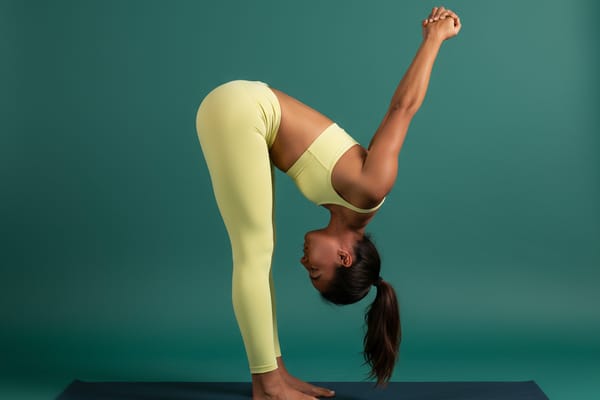
Static Stretching
This is what most people picture when they think of stretching: moving into a position and holding it for an extended period.
How it works: You move a muscle to its end range and maintain that position, allowing the tissue to gradually relax and lengthen. A meta-analysis of 19 studies confirmed that static stretching effectively increases hamstring flexibility in healthy adults.2
Duration: 30-60 seconds per stretch is generally optimal for flexibility development.
When to use: After exercise, as a dedicated flexibility session, or before bed. Static stretching is the foundation of flexibility development.
Example: Touching your toes and holding for 45 seconds.
Dynamic Stretching
This involves controlled movements through a range of motion, without holding any single position.
How it works: You move the body actively, taking joints through their available range in a rhythmic manner.
Duration: 10-15 repetitions per movement, or 30-60 seconds of continuous movement.
When to use: Before exercise, as a warmup, or first thing in the morning to shake off stiffness.
Example: Leg swings, arm circles, walking lunges.
PNF Stretching (Proprioceptive Neuromuscular Facilitation)
This technique involves contracting a muscle before stretching it, typically with a partner or using resistance.
How it works: The muscle contraction triggers neurological mechanisms that allow for greater subsequent relaxation and stretch.
Duration: Contract for 5-10 seconds, then stretch for 20-30 seconds.
When to use: When you have plateaued with static stretching, or when working with a partner or therapist.
Example: Contract your hamstrings by pushing your leg against resistance for 6 seconds, then relax and stretch deeper.
For Beginners: Focus on Static and Dynamic
As a beginner, static and dynamic stretching will serve you well. PNF techniques can be added later once you have established a consistent practice.
How Often and How Long
The most important variable in flexibility development is consistency. Research consistently shows that regular practice produces better results than occasional intense sessions.
Frequency Recommendations
Minimum effective dose: 2-3 sessions per week Optimal for progress: 4-6 sessions per week Maintenance: 2-3 sessions per week once you have achieved your goals
Daily stretching is safe for most people and can accelerate progress, but even three sessions weekly will produce measurable improvements over time.
Session Duration
Quick maintenance: 5-10 minutes Focused development: 15-25 minutes Comprehensive session: 30-45 minutes
For beginners, starting with 10-15 minute sessions is ideal. This is long enough to address major muscle groups without feeling burdensome.
Hold Duration
Research supports holding static stretches for 30-60 seconds for optimal flexibility development.3 Shorter holds (under 15 seconds) may not provide sufficient stimulus, while longer holds show diminishing returns for most people.
When starting out, 30 seconds per stretch is a reasonable target.
Essential Stretches for Beginners
These eight stretches address the most commonly tight areas. Together, they form a complete full-body routine that takes about 15 minutes.
1. Neck Rolls and Tilts
Why: Modern life (phones, computers) creates chronic neck tension.
How to do it:
- Gently tilt your head to one side, bringing ear toward shoulder
- Hold for 20-30 seconds, then switch sides
- Slowly roll your head in a circle, 5 times each direction
- Avoid forcing or crunching the neck backward
2. Shoulder Circles and Cross-Body Stretch
Why: Shoulders tighten from desk work and stress.
How to do it:
- Roll shoulders backward in large circles, 10 times
- Then roll forward, 10 times
- For the cross-body stretch: bring one arm across your chest, use the other hand to gently pull it closer
- Hold for 20-30 seconds per side
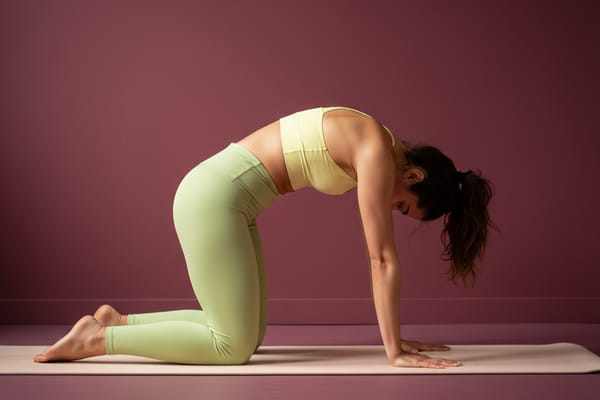
3. Cat-Cow Stretch
Why: This mobilizes the entire spine, which stiffens from prolonged sitting.
How to do it:
- Start on hands and knees
- Inhale: drop your belly, lift your head and tailbone (cow)
- Exhale: round your spine toward the ceiling, tuck chin and tailbone (cat)
- Move slowly between positions for 10-15 breaths
Find this in: Our Morning Shake Primer uses cat-cow to wake up the spine.
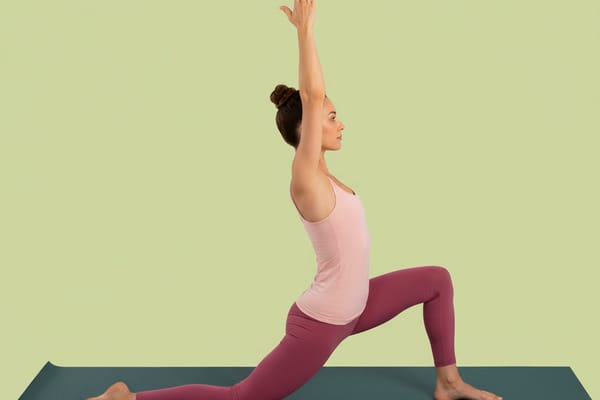
4. Hip Flexor Stretch (Low Lunge)
Why: Sitting keeps hip flexors shortened for hours, making this one of the most needed stretches for modern life.
How to do it:
- Kneel on one knee, other foot forward in a lunge position
- Tuck your pelvis under (flatten the lower back)
- Lean forward gently while maintaining the pelvic tuck
- You should feel the stretch in the front of the kneeling leg’s hip
- Hold for 30-45 seconds per side
5. Hamstring Stretch
Why: Tight hamstrings contribute to back discomfort and limit bending movements.
How to do it:
- Sit on the floor with one leg extended, the other bent with foot against inner thigh
- Reach toward the extended foot, keeping your back relatively straight
- Hold for 30-45 seconds per side
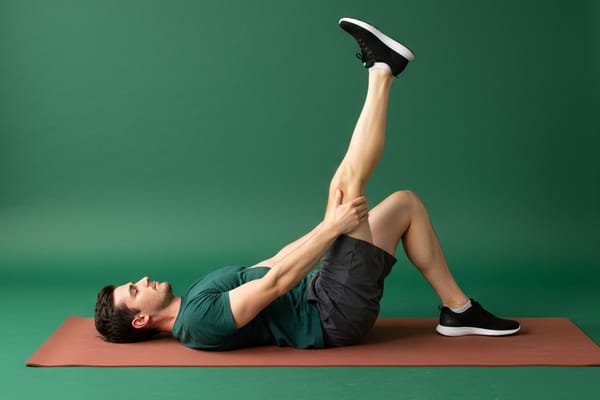
Alternative: Lie on your back and pull one leg toward you, keeping it straight. Use a towel or strap around the foot if needed.
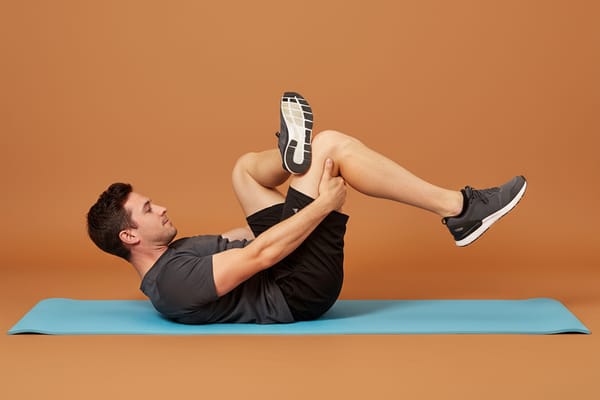
6. Piriformis/Figure Four Stretch
Why: This addresses the deep hip muscles that often contribute to hip and back tightness.
How to do it:
- Lie on your back with knees bent
- Cross one ankle over the opposite knee
- Pull the uncrossed leg toward your chest
- Hold for 30-45 seconds per side
7. Quad Stretch
Why: The quadriceps work constantly during walking and sitting-to-standing movements, often becoming tight.
How to do it:
- Stand near a wall for balance
- Bend one knee, bringing your heel toward your buttock
- Grab your ankle and gently pull
- Keep knees together and pelvis tucked
- Hold for 30-45 seconds per side
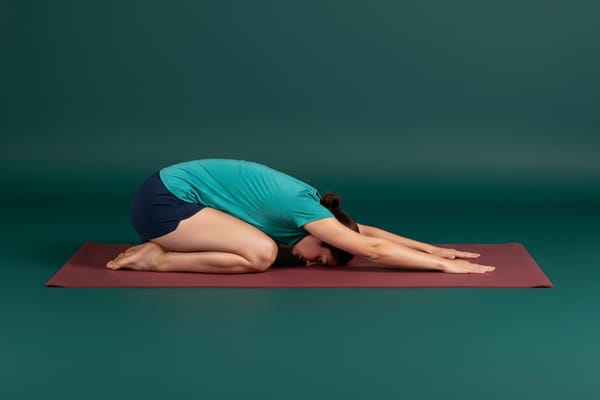
8. Child’s Pose
Why: This relaxing position gently stretches the back, hips, and shoulders while providing a moment of rest.
How to do it:
- Kneel on the floor, sit back on your heels
- Fold forward, extending arms in front of you
- Rest your forehead on the floor
- Hold for 30-60 seconds, breathing deeply
Find this in: Our Bedtime Release Flow ends with extended child’s pose for relaxation.
Your First Week: A Simple Plan
Day 1-2: Learn the Stretches
Go through each of the eight stretches slowly. Focus on understanding the positions rather than pushing for depth. Hold each stretch for just 20 seconds.
Total time: 10-12 minutes
Day 3-4: Build the Routine
Perform all eight stretches with 30-second holds. Pay attention to your breath, trying to exhale as you relax deeper into each position.
Total time: 12-15 minutes
Day 5-7: Establish Consistency
Continue the full routine. Notice which stretches feel most needed and which come more easily. This awareness helps you customize your practice over time.
Total time: 15 minutes
After the first week, continue with 4-5 sessions weekly. Our Total Body Reset Flow provides a structured routine for ongoing practice.
Common Beginner Mistakes
Mistake 1: Pushing Too Hard
Stretching should feel like tension, not pain. The “no pain, no gain” mentality does not apply here. Pushing into pain triggers protective reflexes that actually resist stretching.
Better approach: Work at an intensity of 5-7 on a 10-point scale. You should feel a clear stretch but be able to breathe normally.
Mistake 2: Holding Your Breath
Breath-holding activates the stress response and increases muscle tension. This counteracts the relaxation you are trying to achieve.
Better approach: Breathe slowly and continuously. Try exhaling as you move deeper into a stretch.
Mistake 3: Bouncing
Bouncing (ballistic stretching) triggers the stretch reflex, causing muscles to contract rather than relax. It also increases injury risk.
Better approach: Move into stretches slowly and hold them steadily.
Mistake 4: Skipping Warmup
Stretching cold muscles is less effective and carries higher injury risk. Even a brief warmup makes a significant difference.
Better approach: Walk for 3-5 minutes or do light movement before stretching. Alternatively, stretch after exercise or a warm shower.
Mistake 5: Being Inconsistent
Sporadic stretching produces only temporary effects. The benefits accumulate through regular practice over weeks and months.
Better approach: Schedule stretching like any other appointment. Link it to an existing habit (after morning coffee, before bed) to build consistency.
Mistake 6: Comparing to Others
Flexibility varies enormously based on genetics, training history, and body structure. Comparing yourself to others is neither useful nor motivating.
Better approach: Track your own progress. Celebrate improvements from your own baseline.
Mistake 7: Only Stretching Tight Areas
While it makes sense to focus on tight areas, neglecting everything else can create imbalances. A full-body approach is more sustainable.
Better approach: Address the whole body, with extra attention to particularly tight areas.
What to Expect: Realistic Progress
Week 1-2: Familiarity
You are learning the positions and developing body awareness. You may feel a bit sore from using muscles in new ways. Flexibility gains are minimal but you should feel less stiff after each session.
Week 3-4: Initial Adaptation
Your nervous system is starting to adapt. You may notice that stretches feel slightly easier, though dramatic changes are not yet visible. Consistency is building the foundation for future progress.
Week 5-8: Measurable Change
Research indicates that measurable range of motion improvements typically appear around this point. You may notice you can reach further, fold deeper, or move more easily in daily life.
Month 3+: Consolidation
Progress continues but often feels slower. The early gains came from neural adaptation (your brain learning to tolerate stretch). Deeper tissue changes take longer. Patience becomes essential.
Long-Term
With consistent practice over months and years, significant flexibility improvements are achievable for most people. However, genetics set limits. Not everyone will achieve the same ranges regardless of effort.
When to Stretch
There is no single “best” time to stretch. The ideal time is whenever you will actually do it consistently.
Morning
Pros: Helps shake off overnight stiffness, can energize you for the day Cons: You may be tighter and need to ease in more gradually Best for: Dynamic stretching, gentle static stretches
After Exercise
Pros: Muscles are warm and pliable, you are already in workout mode Cons: You may be fatigued and tempted to skip it Best for: Static stretching for flexibility development
Evening/Before Bed
Pros: Promotes relaxation, can improve sleep quality Cons: You may be tired and less motivated Best for: Gentle static stretching, restorative poses
During Breaks
Pros: Counteracts the effects of prolonged sitting Cons: May feel awkward in some settings Best for: Quick stretches for problem areas (neck, hips)
Equipment for Beginners
You do not need any equipment to start stretching, but a few items can enhance your practice:
Yoga mat: Provides cushioning and defines your practice space. Not essential but makes floor stretches more comfortable.
Yoga strap or towel: Helps you reach positions that would otherwise be inaccessible. Particularly useful for hamstring stretches.
Yoga blocks: Provide support in positions where you cannot reach the floor. Reduces strain and allows proper alignment.
Pillow or folded blanket: Cushions knees in kneeling positions and can be placed under hips for seated stretches.
Start without equipment to keep things simple. Add items as you identify specific needs.
Frequently Asked Questions
Should I stretch before or after exercise?
Before: Use dynamic stretching (movement-based) to prepare the body. Avoid long static holds before strength or power activities.
After: Use static stretching to develop flexibility. Post-exercise, muscles are warm and receptive to stretching.
Is stretching supposed to hurt?
No. Stretching should create a clear sensation of stretch or tension, but not pain. If a stretch hurts, you are either pushing too hard or the position is not appropriate for you.
Can stretching replace exercise?
Stretching is a component of fitness, not a replacement for cardiovascular and strength training. A complete fitness program includes all three elements.
How quickly will I see results?
Most people notice they feel less stiff within 1-2 weeks of consistent practice. Measurable flexibility improvements typically require 4-8 weeks.
I am extremely stiff. Can stretching still help me?
Yes. Everyone can improve from their starting point. Being stiff just means you have more to gain. Start gently and progress gradually.
Do I need to stretch every muscle every day?
No. A full-body routine 3-4 times weekly is sufficient for general flexibility. You can add targeted work for particularly tight areas.
Is it normal to feel shaky during stretches?
Mild shaking can occur when muscles fatigue in stretched positions. It typically subsides with practice. If shaking is intense, you may be pushing too hard.
Building Long-Term Habits
The biggest challenge with stretching is not learning the techniques; it is maintaining consistency over time. Here are strategies that help:
Start small: A 5-minute routine you do daily beats a 30-minute routine you do occasionally.
Attach to existing habits: Stretch right after brushing your teeth in the morning, or immediately after your workout, or while watching evening television.
Track your practice: A simple calendar check-mark provides visual motivation and accountability.
Have a designated space: Even a small area where your mat is always ready reduces friction.
Join a class or group: Accountability to others helps some people maintain consistency.
Remember why you started: When motivation wanes, reconnect with your original reasons for beginning.
Next Steps
You now have everything you need to start a stretching practice:
- Today: Try the eight essential stretches, holding each for 20-30 seconds
- This week: Practice 3-4 times, building familiarity with the positions
- This month: Establish a consistent routine, aiming for 4-5 sessions weekly
- Ongoing: Explore our targeted routines for areas that need extra attention
Our Hip Flexibility Foundation routine provides a natural next step for the most commonly tight area.
Key Takeaways
- Consistency beats intensity: Regular short sessions produce better results than occasional long ones
- Start gentle: Stretching should feel like tension, not pain
- Expect gradual progress: Measurable changes typically take 4-8 weeks
- Breathe: Slow breathing enhances relaxation and stretching effectiveness
- Warm up first: Even a few minutes of movement prepares the body for stretching
- Be patient: Flexibility develops over months and years, not days
Related Articles
- Why Stretching Actually Works: The Science of Flexibility
- How Long Does It Take to Get Flexible?
- Static vs Dynamic Stretching: When to Use Each
References
Afonso J, Ramirez-Campillo R, Moscao J, et al. (2021). Strength Training versus Stretching for Improving Range of Motion: A Systematic Review and Meta-Analysis. Healthcare, 9(4), 427. PubMed ↩︎
Medeiros DM, Cini A, Sbruzzi G, Lima CS. (2016). Influence of static stretching on hamstring flexibility in healthy young adults: Systematic review and meta-analysis. Physiotherapy Theory and Practice, 32(6), 438-445. PubMed ↩︎
Konrad A, Alizadeh S, Daneshjoo A, et al. (2023). Chronic effects of stretching on range of motion with consideration of potential moderating variables: A systematic review with meta-analysis. Journal of Sport and Health Science, 13(2), 186-194. PubMed ↩︎
