You stretch consistently. You hold positions for what seems like forever. Yet progress comes slowly, if at all. What is going wrong?
In most cases, the issue is not effort but technique. Common stretching mistakes, often learned from well-meaning but uninformed sources, can dramatically slow your progress or even lead to injury.
This guide identifies the 18 most common stretching errors and provides research-backed corrections for each. Fixing these mistakes can transform your stretching practice from frustrating to effective.
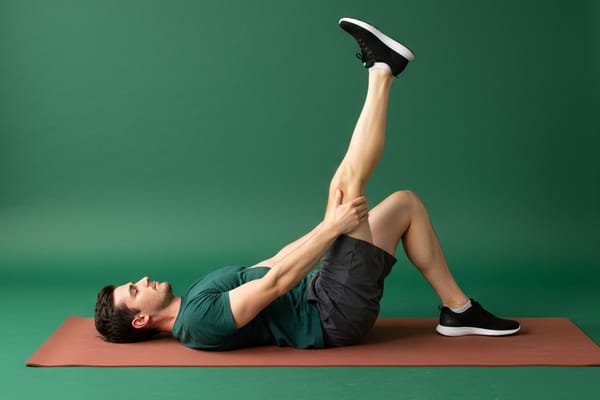
Mistake 1: Holding Your Breath
When a stretch becomes intense, the natural tendency is to hold your breath. This is counterproductive.
Why it is a problem: Breath-holding increases muscle tension through the nervous system. Muscles literally contract more when you hold your breath, directly opposing the relaxation needed for effective stretching.
The research: Studies on respiratory-muscle interactions demonstrate that breathing patterns significantly affect muscle tone. Slow, controlled breathing activates the parasympathetic nervous system, promoting relaxation.
The fix: Breathe slowly and continuously throughout every stretch. Inhale for 4 counts, exhale for 4-6 counts. If you cannot breathe comfortably, reduce the intensity of the stretch.
Mistake 2: Bouncing (Ballistic Stretching)
Bouncing in and out of a stretch might feel like you are making progress, but the opposite is true for most flexibility goals.
Why it is a problem: Bouncing triggers the stretch reflex, causing the muscle to contract protectively. This works against the lengthening you are trying to achieve. Bouncing also increases injury risk.
The research: A study in the Clinical Journal of Sport Medicine found that ballistic stretching is less effective than static stretching for long-term flexibility gains and carries higher injury risk.
The fix: Move smoothly into stretches. Hold steady at your end range. If you want to incorporate movement, use controlled, slow oscillations rather than rapid bouncing.
Exception: Ballistic stretching has specific applications in athletic warm-ups when done carefully by experienced practitioners. For flexibility development, static or dynamic stretching is safer and more effective.
Mistake 3: Not Stretching Long Enough
A 10-second stretch feels like you are doing something, but research shows it is insufficient for lasting change.
Why it is a problem: Short-duration stretches provide temporary range of motion increases but do not create lasting tissue changes. The muscle returns to its original length quickly.
The research: Multiple studies demonstrate that stretches of 30 seconds or more produce significantly greater flexibility gains than shorter holds.1 Some research suggests 60-second holds provide even greater benefits.2
The fix: Hold each stretch for a minimum of 30 seconds. For stubborn areas or significant flexibility goals, extend to 60-90 seconds or more. Total time per muscle group should be at least 60 seconds daily.
Mistake 4: Stretching Too Aggressively
The “no pain, no gain” mentality does not apply to stretching. Aggressive stretching is counterproductive and risky.
Why it is a problem: Intense pain triggers protective muscle contraction. Instead of lengthening, the muscle tightens to protect itself from perceived damage. Overly aggressive stretching also risks muscle, tendon, and ligament injury.
The research: Research on stretch tolerance shows that moderate-intensity stretches produce similar flexibility gains to high-intensity stretches with less risk and discomfort.3
The fix: Aim for a 6-7 out of 10 intensity, where 10 is painful. You should feel a definite stretch but still be able to relax into the position. If you are grimacing or holding your breath, back off.
Mistake 5: Stretching Cold Muscles
Stretching completely cold muscles is less effective and carries higher injury risk.
Why it is a problem: Cold tissues are less pliable. The viscosity of muscle and connective tissue increases at lower temperatures, making them resist stretching. Cold muscles are also more vulnerable to strain.
The research: Studies show that warm muscles demonstrate greater range of motion and less resistance to stretching. A 2015 meta-analysis confirmed that stretching after warm-up produces better flexibility outcomes.
The fix: Perform 5-10 minutes of light cardiovascular activity before stretching, or stretch after exercise when muscles are naturally warm. At minimum, perform dynamic movements before static stretching.
Mistake 6: Inconsistent Practice
Stretching intensively twice a week then skipping a week produces minimal lasting results.
Why it is a problem: Flexibility gains are cumulative but also reversible. Without consistent stimulus, the body returns to baseline. Sporadic practice never allows sufficient adaptation.
The research: Studies on stretch frequency show that daily stretching produces significantly greater flexibility gains than stretching 2-3 times per week. Consistency matters more than session duration.
The fix: Stretch briefly every day rather than for long sessions occasionally. Even 10 minutes daily is more effective than 45 minutes twice weekly. Make stretching a non-negotiable daily habit.
Mistake 7: Ignoring Both Sides
Focusing only on one side or always stretching the tighter side first can perpetuate imbalances.
Why it is a problem: The body works as an integrated system. Imbalances between sides create compensatory patterns that can lead to dysfunction and injury.
The research: Research on bilateral flexibility differences shows that significant asymmetries are associated with higher injury rates. Balanced flexibility protects against injury.
The fix: Always stretch both sides equally, even if one feels tighter. Consider spending extra time on the tighter side, but never skip the less-tight side. Aim for symmetry.
Mistake 8: Only Stretching What Feels Tight
Stretching only the muscles that feel tight ignores the interconnected nature of the body.
Why it is a problem: Tightness in one area often results from weakness or tightness in related areas. Stretching only the symptom without addressing the cause leads to persistent problems.
The research: Research on movement chains demonstrates that restrictions in one area affect the entire kinetic chain. Comprehensive approaches outperform isolated stretching.
The fix: Include full-body stretching in your routine, not just the areas that feel problematic. Pay special attention to muscles on both sides of a joint and throughout related movement chains.
Mistake 9: Forgetting to Strengthen
Flexibility without strength is not functional. Stretching alone creates imbalances.
Why it is a problem: Stretching a muscle lengthens it, but if you cannot actively control that new range, you are unstable in it. This instability can lead to injury.
The research: Studies consistently show that combined flexibility and strengthening programs produce better outcomes than either alone. Strength through range of motion is essential for functional flexibility.
The fix: Include strengthening exercises for the muscles you stretch. Practice active stretching where you hold positions with muscular effort. Build strength at end ranges.
Mistake 10: Poor Positioning and Form
Incorrect positioning can mean you are not actually stretching the target muscle, or you are stressing structures you should not stress.
Why it is a problem: Poor form often allows compensation. You might think you are stretching your hamstrings, but if your pelvis is tucking, you are stretching your lower back. Meanwhile, hamstrings remain untouched.
The research: Biomechanical studies confirm that small positioning changes dramatically affect which tissues receive stretch. Precision matters.
The fix: Learn proper form for each stretch. Use mirrors or video feedback. Pay attention to which muscles are actually feeling the stretch. If you do not feel it in the target area, adjust your position.
Mistake 11: Stretching Through Joint Pain
Muscle stretch sensation is normal; joint pain is not. Stretching through joint pain causes damage.
Why it is a problem: Joint pain during stretching often indicates that you are stressing ligaments, cartilage, or other joint structures rather than muscle tissue. These structures do not respond well to stretching.
The research: Research distinguishes between muscle stretch sensation (appropriate) and joint pain (inappropriate). Ignoring joint pain can lead to hypermobility, joint instability, and injury.
The fix: If you feel joint pain rather than muscle stretch, stop immediately. Reposition to move the stress from the joint to the muscle. If joint pain persists, consult a professional.
Mistake 12: Expecting Fast Results
Expecting dramatic flexibility gains in days or weeks leads to disappointment and often abandonment of practice.
Why it is a problem: Flexibility develops slowly. Tissue changes require weeks to months of consistent stimulus. Unrealistic expectations lead to frustration and giving up.
The research: Studies show that significant flexibility improvements typically require 6-8 weeks of consistent practice.4 Some changes continue developing for months.
The fix: Set realistic timelines. Measure progress monthly, not daily. Celebrate small improvements. Trust the process and commit to long-term consistency.
Mistake 13: Ignoring the Nervous System
Focusing only on muscle tissue ignores the nervous system’s role in flexibility.
Why it is a problem: Flexibility is not just about muscle length. The nervous system determines how much range it allows based on perceived safety. Much of stretching progress involves teaching the nervous system that new ranges are safe.
The research: Research on stretch tolerance demonstrates that much of flexibility improvement comes from neural adaptation, not tissue change.5 The nervous system learns to permit greater range.
The fix: Include relaxation techniques in your stretching. Practice deep breathing. Approach end range gradually, allowing the nervous system to adapt. Do not force through protective resistance.
Mistake 14: Not Stretching After Exercise
Skipping post-exercise stretching misses an optimal flexibility opportunity.
Why it is a problem: After exercise, muscles are warm, blood flow is elevated, and tissues are most pliable. This is the ideal time for flexibility work.
The research: Studies confirm that post-exercise stretching produces excellent flexibility results. Warm tissues respond better to stretching stimulus.
The fix: Dedicate 5-10 minutes after every workout to stretching the muscles you trained. Take advantage of the warm, pliable state.
Mistake 15: Overcomplicating Your Routine
Believing you need dozens of exotic stretches leads to overwhelm and inconsistency.
Why it is a problem: Complex, lengthy routines are hard to maintain. When stretching feels like a burdensome chore, it gets skipped.
The research: Research on habit formation shows that simpler routines have higher adherence rates. A basic routine done consistently outperforms a complex routine done occasionally.
The fix: Master the fundamental stretches for each major muscle group. Create a simple, sustainable routine you can commit to daily. Add complexity only after you have established a consistent practice.
Mistake 16: Never Changing Your Routine
Doing the exact same stretches in the exact same way forever leads to plateaus.
Why it is a problem: The body adapts to consistent stimulus. Once it has adapted to your routine, progress stalls.
The research: Progressive overload principles apply to flexibility as well as strength. Gradual increases in stretch duration, intensity, or range are necessary for continued progress.
The fix: Every 4-6 weeks, modify your routine. Increase hold times, try new variations, or add new stretches. Keep providing new stimulus for continued adaptation.
Mistake 17: Stretching Injured Tissues
Stretching a muscle that is already strained extends the injury rather than helping it heal.
Why it is a problem: Muscle strains involve torn fibers. Stretching these injured fibers before they have healed can worsen the tear and prolong recovery.
The research: Sports medicine research advises against stretching acutely injured muscles. Rest, gentle movement within pain-free ranges, and gradual return to stretching are recommended.
The fix: If you have an acute muscle injury, avoid stretching that muscle until the acute phase has passed (usually several days to a week). Then reintroduce stretching gradually, staying well within pain-free limits.
Mistake 18: Comparing Yourself to Others
Measuring your flexibility against others, especially hypermobile individuals, creates unrealistic expectations.
Why it is a problem: Flexibility is highly individual. Skeletal structure, joint architecture, and genetic factors create different flexibility potentials. Comparing yourself to someone with naturally different anatomy is demoralizing and potentially dangerous.
The research: Studies confirm significant individual variation in flexibility potential. Someone with deeper hip sockets will never have the hip external rotation of someone with shallow sockets, regardless of stretching.
The fix: Compare yourself only to your own past performance. Measure progress against your baseline, not against others. Celebrate improvements in your personal range of motion.
Creating an Effective Stretching Practice
Apply these corrections for maximum results:
Before Each Session
- Warm up with light movement for 5-10 minutes
- Set an intention to breathe continuously and stay relaxed
- Review proper form for your planned stretches
During Stretching
- Hold each stretch for 30-60 seconds minimum
- Maintain 6-7/10 intensity (stretch, not pain)
- Breathe slowly and continuously
- Pay attention to which muscles are actually stretching
- Adjust position if you feel joint stress
After Stretching
- Move gently before resuming activity
- Note any areas that felt particularly tight for future focus
Weekly Structure
- Stretch daily, even if briefly
- Include full-body coverage across the week
- Combine stretching with strengthening
- Modify your routine every 4-6 weeks
Key Takeaways
- Breathe continuously: Breath-holding increases tension and reduces effectiveness
- Hold for 30+ seconds: Shorter holds produce minimal lasting change
- Warm up first: Cold muscles resist stretching and risk injury
- Consistency over intensity: Daily gentle practice beats occasional aggressive sessions
- Include the nervous system: Relaxation and gradual progression teach the nervous system to allow new range
- Balance stretching with strengthening: Flexibility without strength creates instability
- Be patient: Significant flexibility gains take 6-8 weeks or more
- Focus on yourself: Compare only to your own baseline, not to others
Related Articles
References
Bandy WD, Irion JM, Briggler M. (1997). The effect of time and frequency of static stretching on flexibility of the hamstring muscles. Physical Therapy, 77(10), 1090-1096. PubMed ↩︎
Thomas E, Bianco A, Paoli A, Palma A. (2018). The relation between stretching typology and stretching duration: The effects on range of motion. International Journal of Sports Medicine, 39(4), 243-254. PubMed ↩︎
Magnusson SP, Simonsen EB, Aagaard P, et al. (1996). Mechanical and physical responses to stretching with and without preisometric contraction in human skeletal muscle. Archives of Physical Medicine and Rehabilitation, 77(4), 373-378. PubMed ↩︎
Behm DG, Blazevich AJ, Kay AD, McHugh M. (2016). Acute effects of muscle stretching on physical performance, range of motion, and injury incidence in healthy active individuals: A systematic review. Applied Physiology, Nutrition, and Metabolism, 41(1), 1-11. PubMed ↩︎
Weppler CH, Magnusson SP. (2010). Increasing muscle extensibility: A matter of increasing length or modifying sensation? Physical Therapy, 90(3), 438-449. PubMed ↩︎
