You just finished a tough workout. Your heart rate is elevated, your muscles are warm and pumped, and the temptation is to grab your bag and head straight home. Skipping the cool down is one of the most common habits in fitness, and it means missing out on one of the best windows for improving flexibility.
The post-workout period is when your muscles are most receptive to stretching. Elevated muscle temperature increases tissue pliability, and research confirms that warm muscles respond better to static stretching with minimal performance drawbacks.1 Yet most people either skip the cool down entirely or rush through a few halfhearted stretches.
This guide explains what actually happens during a cool down, separates the real benefits from the myths, and provides complete stretching routines for different types of workouts.
What a Cool Down Actually Does
Gradual Cardiovascular Recovery
The most important physiological function of a cool down is bringing your cardiovascular system back to resting state gradually. During intense exercise, your heart pumps blood rapidly to working muscles. Stopping abruptly can cause blood to pool in the extremities, potentially leading to dizziness or lightheadedness.
A comprehensive review in Sports Medicine found that active cool downs accelerate blood lactate clearance and may help prevent post-exercise syncope.2 The gentle movement of stretching keeps blood flowing while allowing heart rate and blood pressure to decrease gradually.
The Flexibility Window
Post-workout is the ideal time for static stretching. During exercise, muscle temperature rises, which increases the extensibility of collagen fibers in tendons and connective tissue. Research shows that elevated muscle temperature improves fiber conduction velocity and binding of contractile proteins, making tissues more responsive to lengthening.1
A study using ultrasound imaging found that 5 minutes of static stretching significantly decreased muscle stiffness and increased blood flow to the stretched muscles.3 These physiological changes are amplified when muscles are already warm from exercise.
Parasympathetic Activation
Intense exercise activates the sympathetic nervous system (fight-or-flight response). Cool down stretching, especially when combined with controlled breathing, helps shift the body toward parasympathetic dominance (rest-and-digest).
This transition matters for recovery. Parasympathetic activation reduces cortisol levels, promotes tissue repair, and improves sleep quality, all of which contribute to better recovery between training sessions.
What Cool Downs Do Not Do
Being honest about limitations helps you cool down for the right reasons.
DOMS Prevention Is Minimal
The Cochrane Database reviewed 12 studies on stretching and muscle soreness and found that stretching produces only very small reductions in delayed onset muscle soreness (DOMS), roughly 1-4 points on a 100-point scale.4 If you are cooling down specifically to prevent next-day soreness, you will likely be disappointed.
DOMS is caused by microstructural muscle damage from eccentric contractions, and stretching does not reverse this damage. Other recovery methods like sleep, nutrition, and active recovery on subsequent days have far more impact on soreness.
Short-Term ROM, Not Instant Healing
A meta-analysis of 11 RCTs found that post-exercise stretching provides some benefit for short-term range of motion recovery (within 1 hour) compared to passive recovery, but effects on strength recovery were not significant.5 Cool down stretching helps you feel less stiff immediately after, but it is not a magic recovery tool.
The Right Approach to Cool Down Stretching
Understanding these nuances leads to a better cool down strategy: stretch after workouts because it feels good, maintains flexibility, provides a cardiovascular transition, and takes advantage of warm tissues to make real flexibility gains. Not because it prevents soreness.
Hold Duration
Post-workout, hold static stretches for 30-60 seconds per position. This is long enough to produce meaningful tissue elongation without the extended holds (2+ minutes) that are better suited for dedicated flexibility sessions.
Research suggests that 60 seconds per muscle group is sufficient for flexibility improvements, and shorter holds of 30 seconds still produce measurable results when muscles are warm.1
Breathing
Slow, deep breathing during cool down stretches amplifies the parasympathetic shift. Inhale for 4 counts, exhale for 6-8 counts. The extended exhale activates the vagus nerve and promotes relaxation.
Intensity
Cool down stretches should feel like a comfortable pull, not pain. On a scale of 1-10, aim for a 5-6 in stretch intensity. You are not trying to achieve personal bests in flexibility during a cool down. The goal is maintenance and gradual improvement.
Cool Down Stretches for Every Muscle Group
Lower Body
Standing Quad Stretch
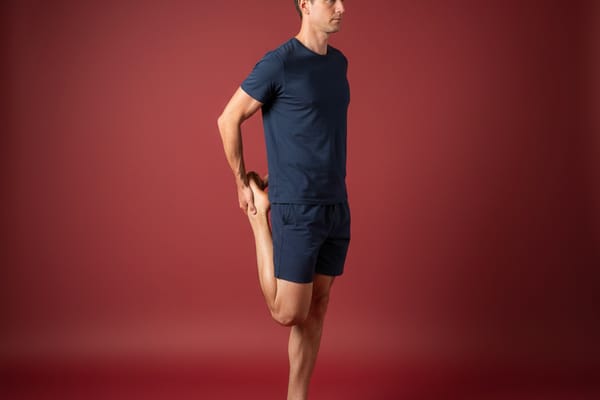
- Stand on your left leg (hold a wall for balance if needed)
- Bend your right knee and grab your right foot behind you
- Keep knees close together and hips square
- Gently push the hip forward for a deeper stretch
- Hold 30-45 seconds each side
Standing Hamstring Stretch
- Place your right heel on a low step or bench
- Keep both legs straight
- Hinge forward from the hips until you feel a stretch behind the raised leg
- Hold 30-45 seconds each side
Calf Stretch
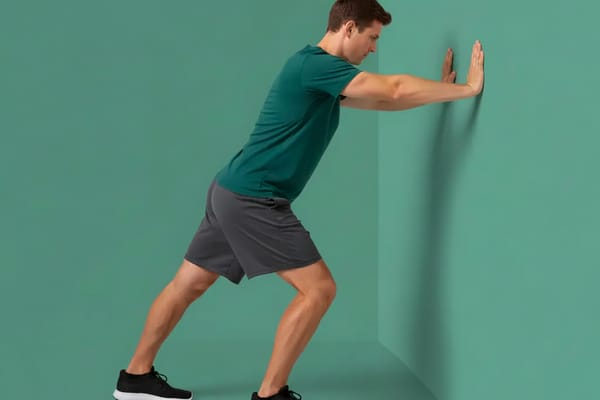
- Face a wall with hands at shoulder height
- Step your right foot back, keeping the heel pressed to the floor
- Lean into the wall until you feel a stretch in the right calf
- Hold 30 seconds each side
- Repeat with a slight knee bend to target the soleus
Pigeon Pose
- From a plank position, bring your right knee toward your right hand
- Lower your hips toward the floor
- Keep the back leg extended straight behind you
- Fold forward over the front leg for a deeper stretch
- Hold 45-60 seconds each side
Upper Body
Doorway Chest Stretch
- Stand in a doorway with forearms on the frame
- Step through the doorway until you feel a stretch across the chest
- Hold 30 seconds
Cross-Body Shoulder Stretch
- Bring your right arm across your body at shoulder height
- Use your left hand to pull it closer to your chest
- Hold 30 seconds each side
Overhead Tricep Stretch
- Reach your right arm overhead
- Bend the elbow and drop your hand behind your head
- Use your left hand to gently press the right elbow back
- Hold 30 seconds each side
Full Body
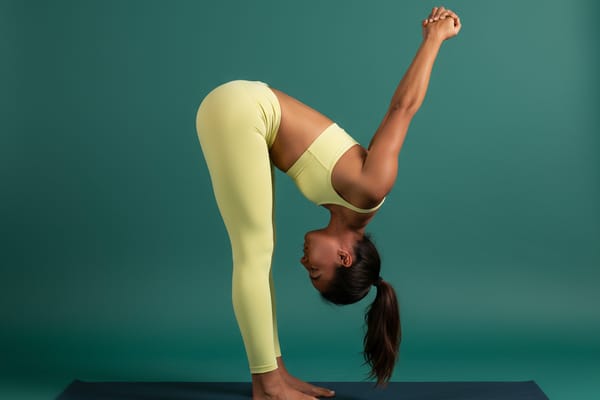
Standing Forward Fold
- Stand with feet hip-width apart
- Hinge at the hips and fold forward
- Let your head hang heavy
- Grab opposite elbows and sway gently
- Hold 45-60 seconds
Child’s Pose
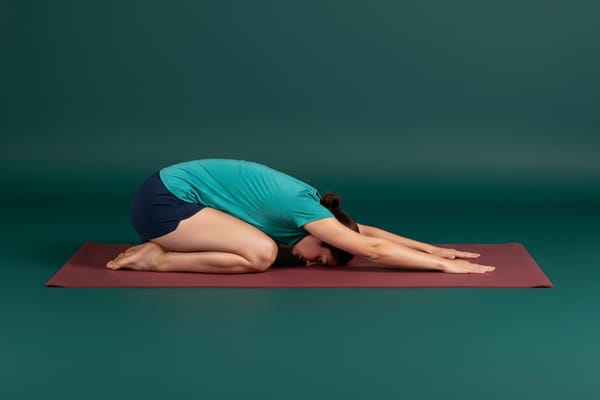
- Kneel on the floor and sit back onto your heels
- Walk hands forward and lower chest toward the floor
- Rest forehead on the ground
- Hold 45-60 seconds
Lying Spinal Twist
- Lie on your back with arms extended to the sides
- Bring both knees to your chest
- Drop both knees to the right
- Turn your head to the left
- Hold 30-45 seconds each side
Cool Down Routines by Workout Type
After Running (8 minutes)
Runners need focused attention on calves, hamstrings, hip flexors, and quads.
- Standing Quad Stretch: 30 seconds each side
- Standing Hamstring Stretch: 30 seconds each side
- Calf Stretch (straight leg): 30 seconds each side
- Calf Stretch (bent knee): 20 seconds each side
- Low Lunge (hip flexor): 30 seconds each side
- Pigeon Pose: 45 seconds each side
- Standing Forward Fold: 30 seconds
Our Post-Run Reset routine provides a guided version of this sequence.
After Weightlifting (10 minutes)
Target the muscle groups you trained, plus general full-body stretching.
Upper Body Day:
- Doorway Chest Stretch: 30 seconds
- Cross-Body Shoulder Stretch: 30 seconds each side
- Overhead Tricep Stretch: 30 seconds each side
- Eagle Arms: 30 seconds each side
- Neck Rolls: 30 seconds each direction
- Child’s Pose: 45 seconds
Lower Body Day:
- Standing Quad Stretch: 30 seconds each side
- Standing Hamstring Stretch: 45 seconds each side
- Pigeon Pose: 45 seconds each side
- Butterfly: 45 seconds
- Lying Spinal Twist: 30 seconds each side
- Standing Forward Fold: 30 seconds
After Cardio or HIIT (7 minutes)
Full-body stretching with emphasis on cardiovascular transition.
- Walk in place for 60 seconds (bring heart rate down first)
- Standing Forward Fold: 30 seconds
- Low Lunge: 30 seconds each side
- Standing Quad Stretch: 30 seconds each side
- Calf Stretch: 20 seconds each side
- Cross-Body Shoulder Stretch: 20 seconds each side
- Child’s Pose: 45 seconds
Our Cooldown Reset Flow routine offers a guided full-body cool down.
After Cycling (8 minutes)
Cycling creates specific tightness in hip flexors, quads, and the thoracic spine from the forward-bent riding position.
- Standing Quad Stretch: 45 seconds each side
- Low Lunge: 30 seconds each side
- Standing Hamstring Stretch: 30 seconds each side
- Calf Stretch: 20 seconds each side
- Doorway Chest Stretch: 30 seconds
- Standing Side Bend: 20 seconds each side
- Lying Spinal Twist: 30 seconds each side
Making Cool Downs a Habit
The biggest challenge with cool down stretching is not knowing what to do. It is actually doing it. Here are strategies that work:
Set a Timer
Start your cool down immediately after your last working set or interval. If you wait, the temptation to skip grows with every passing second. Setting a phone timer for your cool down creates a commitment device.
Keep It Short
A 5-minute cool down done consistently is worth infinitely more than a 15-minute cool down you skip half the time. Start with the minimum effective dose and add time only if it feels natural.
Pair Stretches with Your Workout Split
Memorize 4-5 stretches for each type of workout you do. When stretching the muscles you just trained becomes automatic, it no longer requires decision-making energy.
Use a Guided Routine
Following along with a structured routine removes the mental load of deciding what to stretch next. Try our Total Body Reset Flow or Quick Reset Stretch for complete guided cool downs.
Key Takeaways
- Post-workout is the best time to stretch: Warm muscles are more pliable and respond better to stretching with fewer performance drawbacks
- Cool downs help cardiovascular recovery: Gradual movement prevents blood pooling and helps heart rate return to baseline safely
- DOMS prevention is minimal: Stretching after workouts does not meaningfully reduce next-day soreness, but it has plenty of other benefits
- Hold for 30-60 seconds: This is the sweet spot for post-workout static holds
- Match stretches to your workout: Target the muscles you just trained for the most relevant cool down
- Consistency over duration: A short routine you do every time beats a long one you skip
Related Articles
- Back Stretches: Exercises for Upper, Mid, and Lower Back
- Static vs Dynamic Stretching: When to Use Each
- Hamstring Stretches for Runners: Complete Recovery Guide
- The Complete Calf Stretches and Ankle Mobility Guide
- Morning Stretching: Science-Backed Benefits and the Best Routine
References
Chaabene H, Behm DG, Negra Y, Granacher U. (2019). Acute effects of static stretching on muscle strength and power: an attempt to clarify previous caveats. Frontiers in Physiology, 10, 1468. PubMed ↩︎ ↩︎ ↩︎
Van Hooren B, Peake JM. (2018). Do we need a cool-down after exercise? A narrative review of the psychophysiological effects and the effects on performance, injuries and the long-term adaptive response. Sports Medicine, 48(7), 1575-1595. PubMed ↩︎
Caliskan E, Akkoc O, Bayramoglu Z, et al. (2019). Effects of static stretching duration on muscle stiffness and blood flow in the rectus femoris in adolescents. Medical Ultrasonography, 21(2), 136-143. PubMed ↩︎
Herbert RD, de Noronha M, Kamper SJ. (2011). Stretching to prevent or reduce muscle soreness after exercise. Cochrane Database of Systematic Reviews, (7), CD004577. PubMed ↩︎
Afonso J, Clemente FM, Nakamura FY, et al. (2021). The effectiveness of post-exercise stretching in short-term and delayed recovery of strength, range of motion and delayed onset muscle soreness: a systematic review and meta-analysis of randomized controlled trials. Frontiers in Physiology, 12, 677581. PubMed ↩︎
