The debate over static versus dynamic stretching has caused considerable confusion. Should you hold stretches before exercise? After? Does bouncing help or hurt? What actually produces flexibility gains?
Research over the past two decades has provided clear answers. The short version: both types of stretching are valuable, but they serve different purposes and should be used at different times.
This guide examines the evidence, explains the mechanisms behind each stretching type, and provides practical recommendations for incorporating both into your routine effectively.
Defining the Terms
Static Stretching
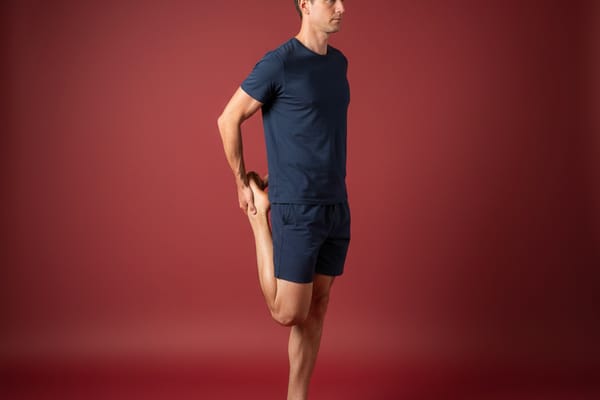
Static stretching involves moving a muscle to its end range and holding that position for an extended period, typically 15-60 seconds.
Examples:
- Holding a forward fold with straight legs
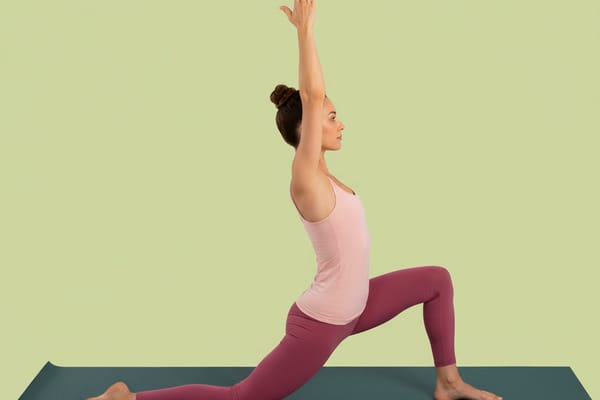
- Maintaining a hip flexor lunge position
- Keeping your arm across your chest for a shoulder stretch
Characteristics:
- No movement once in position
- Typically held for 30-60 seconds
- Intensity remains constant or increases slightly as the muscle relaxes
- Primary goal is flexibility development
Dynamic Stretching
Dynamic stretching involves controlled movement through a range of motion, without holding any single position.
Examples:
- Leg swings (forward/backward, side to side)
- Walking lunges with rotation
- Arm circles
- High knees and butt kicks
Characteristics:
- Continuous movement
- Each position held briefly or not at all
- Typically 10-15 repetitions per movement
- Primary goal is preparation for activity
Other Types (For Context)
Ballistic stretching: Similar to dynamic but with bouncing or jerking motions. Generally not recommended due to injury risk and activation of the stretch reflex.
PNF stretching (Proprioceptive Neuromuscular Facilitation): Involves contracting a muscle before stretching it, often with a partner. Highly effective but more complex to perform.
What Research Says
Static Stretching and Performance
This is where the controversy centered. Multiple studies in the early 2000s found that static stretching immediately before explosive activities (sprinting, jumping, heavy lifting) reduced performance.
A 2016 systematic review in Applied Physiology, Nutrition, and Metabolism analyzed 125 studies and confirmed that “acute static stretching is associated with performance deficits, particularly in activities involving strength and power.”1
The mechanism appears to involve:
- Reduced muscle-tendon stiffness (which transfers force less efficiently)
- Decreased neural activation
- Temporary reduction in force-generating capacity
However, the effects are most pronounced when:
- Stretches are held for 60+ seconds per muscle group
- Stretching occurs immediately before maximal effort
- The activity requires high force or power output
For moderate-intensity activities or when stretching is followed by dynamic warmup, the performance effects are minimal or absent.
Static Stretching and Flexibility
For developing lasting flexibility, static stretching remains the gold standard. The 2016 systematic review found that “all forms of training induced ROM improvements” and that static stretching consistently produced significant range of motion gains.1
A 2023 meta-analysis comparing dynamic and static stretching on hamstring flexibility found that “the long-term effect of static stretching was better than dynamic stretching” for flexibility development.2
The mechanism involves both neural adaptation (your nervous system learning to tolerate greater stretch) and potential tissue changes (altered connective tissue properties over time).
Dynamic Stretching and Performance
Dynamic stretching before activity has consistently positive or neutral effects on subsequent performance. Research shows it:
- Increases muscle temperature
- Enhances blood flow to working muscles
- Activates the nervous system
- Rehearses movement patterns
- Prepares muscles for the specific activity to follow
A 2018 review in Sports Medicine found that dynamic stretching either improved or did not affect performance measures, making it the preferred pre-activity stretching approach.3
Dynamic Stretching and Flexibility
Dynamic stretching produces acute (immediate) improvements in range of motion, but these are typically smaller and shorter-lasting than those from static stretching.
The 2023 hamstring meta-analysis found that “a single bout of dynamic stretching and static stretching have similar short-term effects in improving hamstring ROM,” but static stretching was superior for long-term flexibility development.2
Practical Guidelines
Based on the research, here is when to use each type:
When to Use Dynamic Stretching
Before exercise: Dynamic stretching is the appropriate warmup approach before any physical activity. It prepares the body without impairing performance.
Our Dynamic Warmup Ignite provides a structured sequence for pre-exercise preparation.
Appropriate activities:
- 5-10 minutes before running, sports, or gym workouts
- As part of a morning wake-up routine
- During work breaks to increase alertness
Example dynamic warmup sequence:
- Walking (2-3 minutes)
- Leg swings: 10 forward/back, 10 side-to-side per leg
- Arm circles: 10 forward, 10 backward
- Walking lunges: 10 per leg
- High knees: 20-30 seconds
- Hip circles: 10 per leg each direction
- Activity-specific movements (e.g., pitching motions, kicks)
When to Use Static Stretching
After exercise: Post-workout, muscles are warm and pliable, making static stretching effective and safe. There is no performance concern since activity has concluded.
During dedicated flexibility sessions: If your goal is developing flexibility, static stretching should form the core of your practice.
Our Bedtime Release Flow uses static holds to develop flexibility while promoting relaxation.
Before bed: Static stretching’s calming effect makes it ideal for evening practice.
Away from performance-critical activities: If you want to do static stretching separately from workouts, allow at least 60-90 minutes before demanding physical activity.
Appropriate activities:
- 10-30 minutes of dedicated flexibility work
- Cool-down after exercise (5-10 minutes)
- Relaxation before sleep
- Addressing specific tight areas when not preparing for activity
Example static stretching sequence:
- Neck stretches: 30 seconds per side
- Shoulder stretches: 30 seconds per side
- Hip flexor stretch: 45 seconds per side
- Hamstring stretch: 45 seconds per side
- Quadriceps stretch: 30 seconds per side
- Pigeon pose: 60 seconds per side
- Spinal twist: 45 seconds per side
The Pre-Workout Stretching Protocol
If you want to include both types before a workout (which is reasonable and common), here is the research-supported approach:
- General warmup (3-5 minutes): Light cardio to raise body temperature
- Dynamic stretching (5-10 minutes): Movement-based preparation for the activity
- Brief static stretches if needed (optional, 10-15 seconds each): Only for particularly tight areas, kept short to avoid performance impairment
- Activity-specific preparation: Practice movements at increasing intensity
The key is keeping any static stretching brief and ensuring dynamic movement follows before the main activity begins.
Our Prerun Quick Spark routine demonstrates this approach for runners.
What About During the Day?
For office workers or those who sit for extended periods, the question of stretching during the workday adds another dimension.
For movement breaks: Dynamic stretches are often more practical (you can do them standing, no floor needed) and provide an energy boost.
For addressing specific tightness: Brief static stretches (15-20 seconds) can help relieve accumulated tension without concern about performance.
Since most people are not about to perform maximal physical activity after a desk break, the performance considerations are less relevant. Do whatever helps you feel better and is sustainable.
Common Misconceptions
“You should never static stretch before exercise”
This is an oversimplification. The research shows impairment from prolonged static stretching (60+ seconds per muscle) immediately before maximal effort. Brief static stretches followed by dynamic preparation have minimal effects, and for moderate-intensity activities, the concern is largely irrelevant.
“Dynamic stretching does not improve flexibility”
It does produce acute improvements in range of motion, just not as effectively as static stretching for long-term development. Including dynamic stretching in your practice has value; it just should not replace static work if flexibility is your goal.
“Stretching prevents injuries”
The relationship between stretching and injury prevention is complex. Static stretching before activity does not clearly reduce injury risk and may slightly increase risk if it impairs performance. Dynamic stretching and general warmup appear protective. Adequate flexibility maintained through regular practice likely helps, but the mechanism is through general tissue health rather than acute pre-activity stretching.
“Bouncing helps you stretch further”
Bouncing (ballistic stretching) activates the stretch reflex, causing the muscle to contract rather than relax. This is generally counterproductive and increases injury risk. Dynamic stretching involves controlled movement, not bouncing.
Combining Approaches for Optimal Results
The best flexibility and performance outcomes come from using both types appropriately:
Daily routine for someone prioritizing flexibility:
- Morning: Brief dynamic sequence to shake off stiffness (5 minutes)
- Pre-workout: Dynamic warmup (10 minutes)
- Post-workout: Static stretching cool-down (10-15 minutes)
- Evening (optional): Dedicated static stretching session (15-30 minutes)
Weekly routine for general fitness:
- Dynamic stretching before all workouts
- Static stretching after 3-4 workouts per week
- One dedicated flexibility session weekly (optional but beneficial)
Minimal effective approach:
- Dynamic warmup before exercise
- Static stretching after exercise, at least 3 times weekly
Special Considerations
For Athletes in Power/Speed Sports
Be more conservative with static stretching before competition or high-intensity training. Keep pre-activity static stretches under 30 seconds per muscle if used at all, and ensure adequate dynamic preparation follows.
For Those With Limited Time
If you only have time for one type, choose based on your immediate goal:
- Before activity: Dynamic only
- For flexibility development: Static only
- General maintenance: Either, or alternate days
For Older Adults
Both types remain beneficial, but transition into dynamic movements more gradually. Static stretching may be particularly valuable for maintaining range of motion that naturally decreases with age.
For Those Recovering From Injury
Follow guidance from a healthcare provider. Both types may be indicated depending on the injury and recovery phase, but timing and intensity need individualization.
Frequently Asked Questions
How long should I hold static stretches?
30-60 seconds is optimal for flexibility development. Under 30 seconds may not provide sufficient stimulus; beyond 60 seconds shows diminishing returns for most people.
How many dynamic stretching repetitions should I do?
10-15 repetitions per movement, or 30-60 seconds of continuous movement, is typical for pre-activity preparation.
Can I do static stretching in the morning?
Yes, but ease into it more gradually since you are typically stiffer in the morning. Starting with gentle movement (like cat-cow) before deeper static stretches is advisable.
Is yoga static or dynamic stretching?
Yoga typically combines elements of both. Flowing sequences (like sun salutations) are dynamic, while held poses are static. The blend makes yoga a comprehensive flexibility practice.
Which is better for relaxation?
Static stretching has more pronounced calming effects due to the prolonged holds and focus on breath. It is generally preferred for evening or pre-sleep routines.
Key Takeaways
- Static stretching develops flexibility: Hold positions for 30-60 seconds; best used after exercise or during dedicated sessions
- Dynamic stretching prepares for activity: Controlled movement without holding; ideal before exercise
- Avoid prolonged static stretching before maximal efforts: Keep any pre-activity static stretches brief
- Both types have value: The question is not which is better, but when each is appropriate
- Consistency matters more than type: Regular practice with either type produces benefits
Related Articles
- Why Stretching Actually Works: The Science of Flexibility
- Complete Beginner’s Guide to Stretching
- Morning Stretching: Benefits and Best Practices
References
Behm DG, Blazevich AJ, Kay AD, McHugh M. (2016). Acute effects of muscle stretching on physical performance, range of motion, and injury incidence in healthy active individuals: a systematic review. Applied Physiology, Nutrition, and Metabolism, 41(1), 1-11. PubMed ↩︎ ↩︎
Wang Y, Chen Y, Yang Y, et al. (2023). Dynamic and static stretching on hamstring flexibility and stiffness: A systematic review and meta-analysis. Heliyon, 9(8), e18795. PubMed ↩︎ ↩︎
Opplert J, Babault N. (2018). Acute Effects of Dynamic Stretching on Muscle Flexibility and Performance: An Analysis of the Current Literature. Sports Medicine, 48(2), 299-325. PubMed ↩︎
