You stretch regularly. Some days you feel looser, others you seem right back where you started. Progress feels inconsistent, and you wonder if all that time on the mat actually changes anything in your body.
It does. But the mechanisms are more nuanced than most people realize.
Research over the past two decades has revealed that flexibility improvements come from two distinct pathways: changes in how your nervous system perceives stretch, and structural adaptations in your muscles and connective tissues. Understanding these mechanisms helps explain why progress sometimes feels slow, why consistency matters more than intensity, and why some stretching approaches work better than others.
This guide breaks down the science of flexibility adaptation, drawing on systematic reviews and controlled studies published in peer-reviewed journals. By the end, you will understand exactly what happens in your body when you stretch, and how to use that knowledge to make your practice more effective.
What Happens When You Stretch
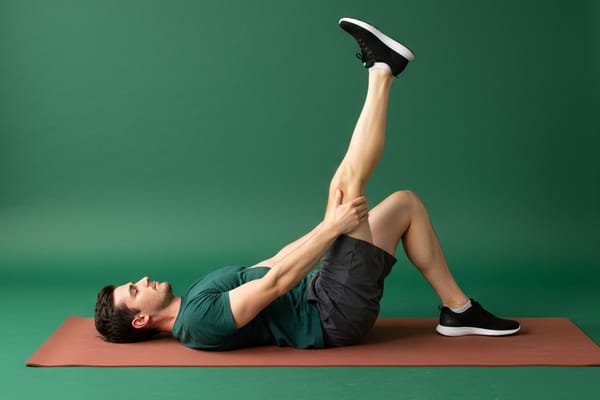
When you move into a stretch, several things happen simultaneously. Your muscle lengthens, your nervous system registers the sensation, and your brain makes a rapid assessment: is this safe, or should we resist?
That neurological response determines how far you can go.
A 2006 review published in the journal Exercise and Sport Sciences Reviews examined the neural mechanisms of stretching and found that “neural mechanisms contribute significantly to the gains that occur in range of motion about a joint with stretching exercises.”1 The researchers noted that in acute stretching, lengthening a muscle-tendon unit decreases spinal reflex excitability, which reduces passive tension and allows for greater joint range of motion.
This explains why the first few stretches in a session often feel tighter than later ones. Your nervous system needs time to downregulate its protective responses.
The Stretch Reflex
Your muscles contain specialized sensors called muscle spindles. These detect changes in muscle length and rate of lengthening. When a muscle stretches quickly or beyond what the nervous system considers safe, the spindles trigger a reflexive contraction to protect against potential damage.
This stretch reflex is why bouncing in a stretch (ballistic stretching) can be counterproductive for flexibility gains. The rapid movements activate protective contractions rather than allowing the muscle to relax into length.
Static stretching, by contrast, allows the stretch reflex to gradually diminish. Research shows that holding a stretch for 30 to 60 seconds produces greater acute range of motion improvements than shorter durations, partly because this gives the nervous system time to reduce reflex activity.
Pain, Perception, and Tolerance
Here is where the science gets interesting. A significant portion of flexibility improvement comes not from physical changes in muscle length, but from changes in how your brain interprets stretch sensation.
A 2019 study published in the Scandinavian Journal of Medicine and Science in Sports examined six weeks of constant-angle muscle stretching training.2 The researchers found that flexibility training induced significant increases in range of motion alongside increases in peak passive torque (the amount of force needed to stretch the muscle) and the range at which stretch was first perceived.
Crucially, these improvements occurred “without changes in muscle-tendon mechanical properties or transfer to the untrained limb.” The researchers concluded that “limb-specific ROM increases were underpinned by neural adaptations.”
In other words, the muscle itself did not become physically longer or more pliable. Instead, the nervous system learned to tolerate greater stretch without triggering protective responses.
This finding has been replicated across multiple studies. A 2006 review of PNF stretching mechanisms in Sports Medicine noted that “the contemporary view proposes that PNF stretching influences the point at which stretch is perceived or tolerated” rather than causing structural changes in muscle tissue.3
Neural Adaptation: Your Brain Learns to Relax
The neural component of flexibility is both encouraging and humbling. Encouraging because it means progress can happen relatively quickly through consistent practice. Humbling because it means some of what we call “flexibility” is really just tolerance.
How Neural Adaptation Works
When you repeatedly expose your nervous system to a particular stretch position, several adaptations occur:
Reduced Reflex Sensitivity: The muscle spindles become less reactive to that specific range of motion. A position that once triggered protective tension becomes familiar and non-threatening.
Decreased Tonic Muscle Activity: Chronic stretching reduces the baseline level of tension in a muscle. A 2012 study in the European Journal of Applied Physiology found that static stretch training reduced passive stiffness over time, contributing to increased flexibility.4
Altered Pain Perception: The brain recalibrates its interpretation of stretch sensation. Positions that once registered as painful or dangerous become merely intense, then comfortable.
Improved Motor Control: Regular stretching improves your ability to voluntarily relax muscles during lengthening. This active relaxation skill is trainable and contributes significantly to functional flexibility.
The Timeline of Neural Changes
Research suggests that neural adaptations to stretching follow a predictable timeline:
Acute (Single Session): Range of motion improvements from a single stretching session typically last less than 30 minutes. A 2016 systematic review in Applied Physiology, Nutrition, and Metabolism confirmed that “all forms of training induced ROM improvements, typically lasting less than 30 minutes.”5
Short-Term (1-4 Weeks): With consistent daily stretching, neural adaptations accumulate. Most people notice measurable improvements in range of motion within two to three weeks of regular practice.
Longer-Term (5+ Weeks): A 2021 meta-analysis found that “a minimum of five weeks of intervention, and two weekly sessions were sufficient to improve ROM.”6 This suggests the nervous system needs extended exposure to consolidate flexibility gains.
The implication is clear: sporadic stretching produces only temporary effects. Consistent practice, even if brief, creates lasting neural adaptation.
Tissue Changes: The Longer Game
While neural adaptation drives early flexibility gains, structural changes in muscle and connective tissue contribute to long-term progress. These adaptations take longer to develop but may be more durable.
Muscle Architecture
Muscles are composed of contractile units called sarcomeres, arranged in series along the length of muscle fibers. For decades, researchers believed that flexibility training increased sarcomere number, effectively making muscles physically longer.
The evidence for this is mixed. A 2012 study examining mechanisms of range of motion improvements found that muscle architecture changes were minimal despite significant flexibility gains.7 This challenges the popular notion that stretching makes muscles longer at a structural level.
However, some animal studies and limited human research suggest that prolonged stretch exposure can stimulate sarcomere addition, particularly in muscles held at long lengths for extended periods (hours rather than minutes). The practical relevance for typical stretching routines remains unclear.
Connective Tissue and Fascia
More promising evidence supports changes in connective tissue properties. Muscles are surrounded by and interwoven with collagen-based connective tissue (fascia) that contributes significantly to passive tension.
Research indicates that stretching can influence:
Collagen Fiber Alignment: Mechanical loading encourages collagen fibers to align along the direction of force, potentially reducing resistance to stretch.
Tissue Hydration: Stretching promotes fluid movement through connective tissue, which may temporarily reduce stiffness.
Fibroblast Activity: The cells that produce and maintain connective tissue respond to mechanical signals. Regular stretching may influence their behavior in ways that support tissue compliance.
A 2012 study on static stretch training found reduced passive stiffness of the muscle-tendon unit over time, suggesting genuine structural adaptation.4 The researchers noted that the underlying neural and mechanical adaptation mechanisms showed different time courses, with neural changes occurring earlier and mechanical changes developing more gradually.
The Role of Muscle Relaxation
One underappreciated factor in tissue-level flexibility is the ability to fully relax a muscle during stretching. When muscles remain partially contracted during a stretch (either consciously or through residual tension), they resist lengthening.
Learning to release this tension, often through breath work and conscious relaxation, allows the stretch to reach deeper into connective tissue structures. This is one reason why practices emphasizing relaxation, like yin yoga or restorative stretching, can be effective for flexibility development despite using relatively low-intensity positions.
What Actually Improves Range of Motion
Given the complexity of flexibility adaptation, what practical conclusions can we draw about effective stretching?
Static Stretching Works
Despite periodic controversy about its effects on performance, static stretching remains well-supported for flexibility development. A comprehensive 2018 meta-analysis found that stretch training can increase range of motion with a moderate effect compared to controls.8
Research has consistently found that static stretching and PNF stretching produce greater range of motion improvements than ballistic or dynamic stretching for flexibility purposes.3
For our Total Body Reset Flow routine, we incorporate static holds of 30 to 60 seconds specifically because research supports this duration for optimal flexibility gains.
Consistency Beats Intensity
Multiple studies confirm that stretching frequency matters more than stretching intensity for long-term gains. Research indicates that even modest, consistent stretching produces meaningful improvements.6
A practical interpretation: three 10-minute sessions per week will likely produce better results than one 45-minute session. The nervous system benefits from repeated exposure over time.
Duration Matters for Individual Stretches
While overall frequency is flexible, individual stretch duration does influence effectiveness. Research generally supports holding stretches for 30 to 60 seconds for optimal range of motion improvements.
Shorter holds (under 15 seconds) may not provide sufficient time for neural adaptation and tissue creep. Longer holds (beyond 60 seconds) show diminishing returns in most studies, though some practitioners report benefits from extended holds in specific contexts.
Our Morning Shake Primer uses shorter holds of 20 to 30 seconds because the goal is activation and preparation rather than maximal flexibility development. For dedicated flexibility work, longer holds are appropriate.
PNF and Active Stretching Add Value
Proprioceptive neuromuscular facilitation (PNF) techniques, which involve contracting a muscle before stretching it, consistently outperform static stretching alone in research.3 Studies have confirmed that proprioceptive neuromuscular facilitation and static stretching produce greater range of motion gains than ballistic or dynamic stretching.9
The mechanism likely involves both neural and mechanical factors. Contracting a muscle before stretching it may:
- Trigger reciprocal inhibition, reducing tension in the target muscle
- Cause transient fatigue that reduces the muscle’s ability to resist stretch
- Provide stronger signals that update the nervous system’s tolerance thresholds
For practical application, try contracting the muscle you are about to stretch for 5 to 10 seconds, then relaxing into the stretch. This simple technique can enhance the effectiveness of any stretching routine.
Common Questions About Stretching Science
Does stretching actually lengthen muscles?
The evidence for permanent muscle lengthening through typical stretching is limited. Most range of motion improvements come from neural adaptation (increased tolerance to stretch sensation) and changes in connective tissue properties rather than increases in muscle fiber length.
This does not mean stretching is ineffective. Improved range of motion is valuable regardless of whether muscles become physically longer. It simply means we should understand flexibility as a complex adaptation involving multiple body systems.
Why do I feel tighter some days than others?
Daily variations in flexibility are normal and reflect several factors:
- Nervous system state: Stress, fatigue, and sleep quality all influence muscle tension and stretch tolerance
- Hydration: Tissue hydration affects passive stiffness
- Temperature: Warm muscles and connective tissue are more pliable than cold
- Recent activity: Prior exercise can temporarily increase or decrease flexibility depending on the type and intensity
These fluctuations do not indicate that you have lost progress. They reflect the dynamic nature of the neuromuscular system.
How long do flexibility gains last?
This depends on what type of adaptation occurred. Neural changes appear to require ongoing maintenance. Studies show that acute flexibility improvements fade within 30 minutes, and even longer-term adaptations can diminish without continued practice.
However, the timeline for losing flexibility is generally longer than for gaining it. Most people can maintain their range of motion with less frequent practice than was required to develop it. If you have built substantial flexibility through consistent training, occasional practice may be sufficient to preserve most of your gains.
Is there a genetic component to flexibility?
Yes. Research confirms significant genetic variation in baseline flexibility and response to stretching training. Factors like collagen composition, joint structure, and nervous system characteristics all have heritable components.
This does not mean flexibility cannot be improved. It means that comparisons to others are less useful than tracking your own progress. Someone who starts stiff may work harder and still not achieve the same range of motion as someone who is naturally flexible. Both can improve substantially from their baseline.
Can you stretch too much?
Yes. Excessive stretching can lead to:
- Overstretching injuries: Microtears in muscle or connective tissue
- Joint instability: Excessive ligament laxity, particularly problematic in weight-bearing joints
- Decreased strength: Chronic overstretching may impair force production
- Nerve damage: In extreme cases, prolonged or intense stretching can compromise nerve function
Most recreational practitioners are at low risk for these issues. Problems typically arise from extreme positions, prolonged holds (hours), or aggressive techniques in hypermobile individuals. For most people, a balanced stretching practice is safe and beneficial.
Building an Effective Flexibility Practice
Understanding the science of stretching suggests several principles for effective practice:
Prioritize Consistency
Neural adaptation requires repeated exposure. Short daily sessions outperform occasional long sessions for building lasting flexibility. Even five to ten minutes daily can produce meaningful improvements over weeks and months.
Our Total Body Reset Flow is designed for exactly this purpose: a complete mobility routine short enough to practice consistently.
Use Appropriate Holds
For flexibility development, hold stretches for 30 to 60 seconds. This duration allows sufficient time for neural adaptation and tissue creep without excessive risk or diminishing returns.
Include Active Techniques
Incorporate muscle contractions before or during stretches to enhance effectiveness. This can be as simple as tensing the target muscle for five seconds before relaxing into the stretch.
Warm Up First
Light activity before stretching increases tissue temperature and blood flow, enhancing pliability and reducing injury risk. A few minutes of walking, gentle movement, or dynamic stretches prepare the body for deeper static work.
Respect Daily Variation
Some days you will feel more flexible than others. Work with your body rather than forcing positions that feel unusually restricted. Consistent practice over time matters more than maximum effort on any single day.
Be Patient
The research is clear that meaningful flexibility improvements require weeks to months of consistent practice. Quick fixes do not exist. The nervous system and tissues need time to adapt.
Key Takeaways
- Flexibility improves through two pathways: neural adaptation (your brain learns to tolerate stretch) and tissue changes (connective tissue becomes more compliant)
- Neural adaptation drives early gains: Most range of motion improvements in the first weeks come from changed perception rather than physical lengthening
- Consistency matters more than intensity: Regular brief sessions outperform occasional long sessions for lasting flexibility
- Hold stretches for 30 to 60 seconds: This duration optimizes the balance between effectiveness and practicality
- Progress takes time: Research indicates five or more weeks of consistent practice for significant improvements
Related Articles
- Static vs Dynamic Stretching: When to Use Each
- How Long Does It Take to Get Flexible?
- Complete Beginner’s Guide to Stretching
References
Guissard N, Duchateau J. (2006). Neural aspects of muscle stretching. Exercise and Sport Sciences Reviews, 34(4), 154-158. PubMed ↩︎
Freitas SR, Vaz JR, Bruno PM, et al. (2019). The effects of 6 weeks of constant-angle muscle stretching training on flexibility and muscle function in men with limited hamstrings’ flexibility. Scandinavian Journal of Medicine and Science in Sports, 29(7), 970-979. PubMed ↩︎
Sharman MJ, Cresswell AG, Riek S. (2006). Proprioceptive neuromuscular facilitation stretching: mechanisms and clinical implications. Sports Medicine, 36(11), 929-939. PubMed ↩︎ ↩︎ ↩︎
Nakamura M, Ikezoe T, Takeno Y, Ichihashi N. (2012). Effects of a 4-week static stretch training program on passive stiffness of human gastrocnemius muscle-tendon unit in vivo. European Journal of Applied Physiology, 112(7), 2749-2755. PubMed ↩︎ ↩︎
Behm DG, Blazevich AJ, Kay AD, McHugh M. (2016). Acute effects of muscle stretching on physical performance, range of motion, and injury incidence in healthy active individuals: a systematic review. Applied Physiology, Nutrition, and Metabolism, 41(1), 1-11. PubMed ↩︎
Afonso J, Ramirez-Campillo R, Moscao J, et al. (2021). Strength Training versus Stretching for Improving Range of Motion: A Systematic Review and Meta-Analysis. Healthcare, 9(4), 427. PubMed ↩︎ ↩︎
Blazevich AJ, Cannavan D, Waugh CM, et al. (2012). Lack of neuromuscular origins of adaptation after a long-term stretching program. Scandinavian Journal of Medicine and Science in Sports, 22(6), 674-682. PubMed ↩︎
Medeiros DM, Martini TF. (2018). Chronic effect of different types of stretching on ankle dorsiflexion range of motion: Systematic review and meta-analysis. Foot, 34, 28-35. PubMed ↩︎
Konrad A, Stafilidis S, Tilp M. (2017). Effects of acute static, ballistic, and PNF stretching exercise on the muscle and tendon tissue properties. Scandinavian Journal of Medicine and Science in Sports, 27(10), 1070-1080. PubMed ↩︎
