

About This Deep Stretch Routine
Quick stretches feel nice, but deep tension requires time. This routine uses longer holds to get past the initial muscular resistance and into the connective tissue that holds chronic tightness in place. Each position is held long enough for your nervous system to stop guarding and your muscles to actually let go.
Cat-cow warms your spine, then pigeon and lying figure-four target the deep hip rotators that pull on your lower back. Spinal twist addresses the mid-back, while forward fold and rag doll work the entire posterior chain from a standing position. An extended child’s pose at the end gives your whole back one final release.
This routine has seven exercises — more than most in this series — because deep release work benefits from variety. Different angles reach different layers of tension.
What This Routine Targets
- Deep hip rotator muscles (piriformis, glutes)
- Posterior chain tension from hamstrings to upper back
- Mid-back and lower back compression
- Chronic tension patterns that resist shorter stretches
What’s Included
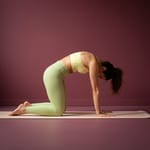
Cat Cow
Duration: 0:30
Flow through cat and cow to mobilize your spine and melt away stiffness one breath at a time.
Difficulty: Beginner
Instructions
- Begin on hands and knees with wrists under shoulders and knees under hips.
- Inhale as you drop your belly, lift your chest, and gaze forward or slightly up.
- Exhale as you round your spine, draw the belly toward the ceiling, and tuck your chin.
- Continue gliding between the two shapes in rhythm with your breath.
Tips
- Move slowly enough that each vertebra gets a moment of attention.
Adjustments
- Keep your head more neutral if your neck prefers less movement.
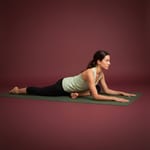
Pigeon
Duration: 1:00
Settle into pigeon pose to melt tension in your hips, glutes, and lower back.
Difficulty: Intermediate
Instructions
- From tabletop, bring one knee forward behind the same-side wrist and angle the shin toward the opposite hip.
- Slide the back leg straight behind you as you square your hips toward the floor.
- Lower your torso over the front leg and rest on your forearms or hands while breathing deeply.
Tips
- Keep hips level rather than collapsing to one side.
Adjustments
- Place a folded blanket or block under the bent-leg hip for support.
- Stay upright with hands on the floor if folding forward feels too intense.

Lying Figure Four
Duration: 1:00
Ease into a lying figure four to release tight glutes and soothe your lower back.
Difficulty: Beginner
Instructions
- Lie on your back with knees bent and feet flat on the floor.
- Cross one ankle over the opposite thigh just above the knee.
- Lift the bottom leg and clasp hands behind the thigh, gently pulling the legs toward your chest.
Tips
- Relax your head and shoulders on the floor.
- Keep your lower back pressing gently into the mat.
Adjustments
- Loop a strap behind your thigh if reach is an issue.
- Leave the bottom foot on the floor for a lighter stretch.
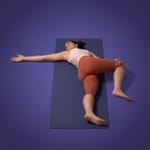
Spinal Twist
Duration: 1:00
Twist gently on your back to stretch your spine, chest, and glutes all at once.
Difficulty: Beginner
Instructions
- Lie on your back with legs extended and arms by your sides.
- Bend one knee and place the foot on the floor.
- Lower the bent knee across your body toward the opposite side while your torso and hips twist.
- Place your opposite hand on the outside of the bent knee and extend the other arm out to the side.
Tips
- Keep both shoulders grounded on the floor.
Adjustments
- Support the bent knee with a cushion or block if needed.
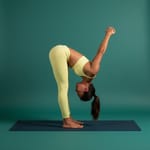
Forward Fold
Duration: 0:45
Dive into a forward fold with clasped hands to stretch your hamstrings and open your shoulders in one swoop.
Difficulty: Beginner
Instructions
- Stand with feet hip-width apart and interlace your fingers behind your back.
- Hinge forward from your hips, letting your torso drape toward the floor.
- Reach your clasped hands overhead, allowing the stretch to travel through your shoulders.
Tips
- Relax your head and neck completely so gravity can help.
- Keep your legs straight yet soft at the knees.
Adjustments
- Hold a strap or towel between your hands if interlacing is uncomfortable.
- Bend your knees slightly if your hamstrings need more space.
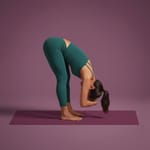
Rag Doll
Duration: 0:45
Fold like a rag doll to let your spine decompress and your hamstrings stretch gently.
Difficulty: Beginner
Instructions
- Stand with feet hip-width apart and knees softly bent.
- Inhale to reach arms overhead and lengthen your spine.
- Exhale to hinge at the hips, letting your torso drape forward.
- Grab opposite elbows and allow head and arms to hang heavy.
Tips
- Distribute weight evenly between heels and balls of the feet.
- Focus on lengthening your spine instead of trying to touch the floor.
Adjustments
- Bend your knees more deeply if your back feels tight.
- Rest elbows on a block or chair for extra support.
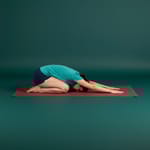
Child's Pose
Duration: 1:00
Melt into child's pose to reset your breath and relax the back with a calming stretch.
Difficulty: Beginner
Instructions
- Start on hands and knees, then widen your knees while keeping big toes touching.
- Sit your hips back toward your heels and reach your hands forward.
- Lower your chest between your thighs and rest your forehead on the floor or a support.
Tips
- Crawl your fingertips forward to deepen the stretch through the sides of your body.
- Let your chest sink toward the ground with each exhale.
Adjustments
- Keep knees closer together if that feels better for your hips.
- Rest your forehead on a block, pillow, or folded blanket if it does not reach the floor.
Who Should Try This
Anyone dealing with persistent back tension that doesn’t respond to quick stretches. If you’ve been stretching regularly but still carry deep tightness, this routine’s longer holds and varied positions will reach what you’ve been missing.
Tips for Best Results
- Resist the urge to fidget during holds — stillness is where the release happens
- In pigeon, let your body weight sink into the stretch rather than pushing
- During forward fold, bend your knees as much as you need to
- Breathe slowly and deliberately; each exhale allows your muscles to release further
Going Deeper
The first time you do this routine, you might not feel a dramatic difference. That’s normal — deep tissue takes time to respond. By the third or fourth session, you’ll notice that positions feel different. The tightness that seemed permanent starts to shift. Keep going.


