

About This Hip Stretching Routine
Tight hips are one of the most common complaints among people who sit for extended periods. Research indicates that hip flexibility exercises can have significant effects on functional movement and may help reduce associated back discomfort.1 They can affect everything from your posture to your lower back comfort and even how you walk. If you’ve been putting off stretching because you’re not sure where to begin, this routine is designed specifically for you.
What This Routine Targets
Your hips are a complex joint surrounded by multiple muscle groups including the hip flexors, glutes, and adductors. When these muscles become shortened or tense from sitting, they can pull on your pelvis and create a chain reaction of discomfort throughout your body. This routine addresses all of these areas through a sequence of kneeling lunges, seated stretches, and floor-based releases.
What’s Included
This beginner-friendly routine takes about six minutes and includes six exercises. You’ll work through the classic lunge to target your hip flexors, the butterfly stretch for your inner thighs, and the lying figure four to release tension in your glutes. Each exercise is held long enough to create meaningful change but not so long that you’ll feel overwhelmed.
Who Should Try This
This routine is perfect for complete beginners or anyone returning to stretching after a break. It’s also a good choice if you spend most of your day sitting at a desk, driving, or doing any activity that keeps your hips in a flexed position for hours at a time.
Tips for Best Results
The best time to do this routine is after a brief warmup or at the end of your day when your muscles are already somewhat warm. Focus on breathing deeply and relaxing into each position rather than forcing yourself deeper. Flexibility improves gradually over time, so consistency matters more than intensity. Try doing this routine three to four times per week.
Pay attention to any differences between your left and right sides. Most people have some asymmetry, and noticing where you’re tighter can help you focus extra attention where it’s needed.
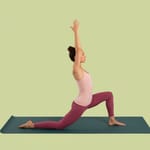
Lunge
Duration: 1:00
Sink into a kneeling lunge to stretch your hip flexors and lengthen the front of your body.
Difficulty: Beginner
Instructions
- Start kneeling and step one foot forward, planting it flat in front of you.
- Press your hips forward as you raise both arms overhead.
- Lift through your chest and reach toward the ceiling while breathing deeply.
Tips
- Keep the front knee stacked over the ankle for stability.
- Press the top of your back foot into the floor to engage the rear leg.
- Stay tall through your torso to avoid dumping into the lower back.
Adjustments
- Rest your hands on your front thigh if reaching overhead feels intense.
- Place a towel or cushion under your back knee for comfort.
- Hold onto a wall or chair for balance when needed.
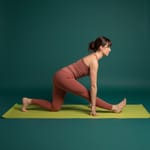
Reverse Lunge
Duration: 1:00
From a kneeling stance, extend one leg forward to stretch the backside while keeping your balance dialed in.
Difficulty: Beginner
Instructions
- Begin kneeling with knees hip-width apart and tops of your feet on the floor.
- Extend one leg forward, pressing the heel into the ground and keeping the leg straight.
- Hinge at your hips to lower the torso toward the floor, placing hands down for balance.
- Hold the stretch briefly, then switch legs.
Tips
- Keep your chest lifted and back long even as you hinge forward.
Adjustments
- Place a folded blanket under your kneeling knee for comfort.
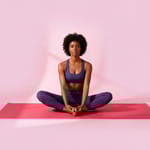
Butterfly
Duration: 0:30
Drop into butterfly pose to open the hips and groin while you breathe space into tight muscles.
Difficulty: Beginner
Instructions
- Sit tall with legs extended, then bend your knees and bring the soles of your feet together.
- Hold your feet or ankles and let your knees fall out to the sides.
- Press the knees gently toward the floor while keeping the spine long.
Tips
- Use your elbows to nudge the thighs downward only if it feels comfortable.
- Lift through the chest and avoid rounding your back.
Adjustments
- Place cushions under your thighs when the hips need extra support.
- Sit on a folded blanket to elevate your seat and create more ease.
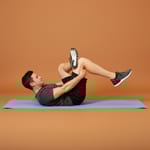
Lying Figure Four
Duration: 1:00
Ease into a lying figure four to release tight glutes and soothe your lower back.
Difficulty: Beginner
Instructions
- Lie on your back with knees bent and feet flat on the floor.
- Cross one ankle over the opposite thigh just above the knee.
- Lift the bottom leg and clasp hands behind the thigh, gently pulling the legs toward your chest.
Tips
- Relax your head and shoulders on the floor.
- Keep your lower back pressing gently into the mat.
Adjustments
- Loop a strap behind your thigh if reach is an issue.
- Leave the bottom foot on the floor for a lighter stretch.
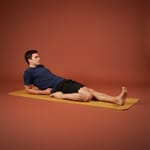
Quad Stretch
Duration: 1:00
Stretch your quads by tucking one foot beside you and leaning back into a deep, satisfying release.
Difficulty: Beginner
Instructions
- Sit with legs extended, then bend one knee and draw the heel back toward your glute.
- Hold the ankle and tuck the foot directly under your hip.
- Lean back onto your elbows or as far as comfortable while breathing into the stretch.
Tips
- Keep your hips, knees, and ankles in one line.
- Make sure the foot stays tucked under your glute rather than flaring out to the side.
Adjustments
- Loop a strap around your foot if reaching the ankle feels tough.
- Lie on your side and pull the foot toward you for a softer variation if your knees are sensitive.
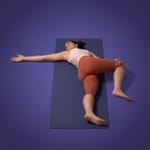
Spinal Twist
Duration: 1:00
Twist gently on your back to stretch your spine, chest, and glutes all at once.
Difficulty: Beginner
Instructions
- Lie on your back with legs extended and arms by your sides.
- Bend one knee and place the foot on the floor.
- Lower the bent knee across your body toward the opposite side while your torso and hips twist.
- Place your opposite hand on the outside of the bent knee and extend the other arm out to the side.
Tips
- Keep both shoulders grounded on the floor.
Adjustments
- Support the bent knee with a cushion or block if needed.
Take a moment to notice how your hips feel now compared to when you started. Even after just one session, many people feel a subtle difference in how they stand or walk. That awareness is valuable because it helps you understand what your body needs and motivates you to keep showing up.
Building Your Hip Flexibility Practice
Try to do this routine at least three times per week to see noticeable improvements. Many people find it helpful to pair stretching with another daily habit like their morning coffee or evening wind-down. When stretching becomes part of your routine rather than something you have to remember, consistency gets much easier.
When this routine starts feeling comfortable, consider progressing to an intermediate hip flexibility routine that includes deeper positions like pigeon pose and lizard pose. Your foundation will make those more advanced stretches accessible and effective.
For more hip flexor stretches with detailed technique cues, read this guide on hip flexor stretches for better posture.


