

About This Mobility Flow Routine
This routine is all about movement. Instead of holding long static positions, you will flow through dynamic exercises that take your neck and shoulders through their full range of motion. Rolls, rotations, circles, and tilts in a sequence that warms up every angle.
The approach works especially well for people whose necks feel stiff rather than painful. When a joint stops moving through its full range regularly, it loses that range over time. This routine reverses that process by reminding your neck what it is capable of. Nine exercises, each focused on a different movement pattern.
What This Routine Targets
- Neck rotation and lateral range of motion
- Shoulder mobility through circles and rolls
- Neck flexion and extension patterns
- Overall upper body movement quality
What’s Included

Neck Roll
Duration: 0:30
Roll your head gently side to side to release tension through your neck and shoulders.
Difficulty: Beginner
Instructions
- Sit tall with shoulders relaxed.
- Lower your chin toward your chest, then roll your head toward one shoulder so the ear hovers over it.
- Return through center and repeat toward the other shoulder, continuing in a slow rhythm.
Tips
- Move slowly to avoid strain or dizziness.
- Stop short of full circles to keep the neck happy.
Adjustments
- Keep the range of motion smaller if you experience discomfort.

Neck Rotation
Duration: 0:30
Turn your head gently from side to side to maintain neck mobility and ease stiffness.
Difficulty: Beginner
Instructions
- Sit or stand tall with arms relaxed.
- Slowly rotate your head to look over one shoulder.
- Place fingertips lightly on your chin for a gentle assist, then return to center and repeat to the other side.
Tips
- Keep your head level; avoid tipping up or down.
- Stay relaxed through your shoulders and upper back.
Adjustments
- Skip using your hand and work within a smaller range if your neck feels tender.

Arm Circles
Duration: 0:30
Spin your arms through smooth circles to flood the shoulders with warmth before bigger efforts.
Difficulty: Beginner
Instructions
- Stand tall with feet hip-width apart and stretch your arms straight out to the sides.
- Draw small forward circles with both arms, gradually letting the circles get bigger as the joints loosen.
- At the halfway point, reverse the direction and spin the circles backward with the same control.
Tips
- Keep shoulders relaxed away from your ears while you move.
- Move at a steady tempo so the rotator cuff muscles have time to engage.
Adjustments
- Bend your elbows slightly and keep the circles smaller if the shoulders feel tight.
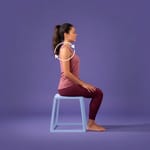
Shoulder Rolls
Duration: 0:30
Roll your shoulders to release tension and bring warmth into your upper back and neck.
Difficulty: Beginner
Instructions
- Sit or stand tall with shoulders relaxed.
- Lift your shoulders up toward your ears, then roll them back and down in a circular motion.
- Repeat for several reps, then reverse the direction.
Tips
- Keep the motion smooth and fluid to avoid neck strain.
- Relax your neck and look forward while you move.
Adjustments
- Make smaller circles or simply lift and lower the shoulders if that feels better.

Neck Laterals
Duration: 0:45
Tilt your head side to side to release tightness along your neck and upper traps.
Difficulty: Beginner
Instructions
- Sit tall with shoulders relaxed and one hand resting on your chair or thigh for support.
- Tilt your head toward one shoulder, lowering your ear toward it.
- Place the opposite hand on the side of your head for a light assist, then switch sides halfway through.
Tips
- Keep both shoulders soft and away from your ears.
Adjustments
- Skip using your hand if the weight of your head provides enough stretch.

Ear-to-Shoulder
Duration: 0:45
Melt tightness in your neck by gently drawing one ear toward your shoulder while you breathe.
Difficulty: Beginner
Instructions
- Sit or stand tall with arms relaxed.
- Tilt your head toward one shoulder, reaching that ear closer without lifting the shoulder.
- Place the opposite hand behind your back and rest the other hand lightly on top of your head for a subtle assist.
- Hold for a few breaths, then switch sides.
Tips
- Keep the chin neutral instead of tipping up or down.
- Let both shoulders stay soft and heavy.
Adjustments
- Skip the hand assist if the stretch feels intense enough with gravity alone.

Neck Extension
Duration: 0:30
Gently lean your head back to stretch the front of your neck and counter forward posture.
Difficulty: Beginner
Instructions
- Sit or stand tall with shoulders relaxed.
- Slowly tilt your head back, lifting your chin toward the ceiling.
- Place fingertips under your chin for a light assist and hold for a slow breath.
Tips
- Keep your jaw soft and shoulders down.
- Maintain an upright spine rather than leaning backward.
Adjustments
- Skip using your hands if the natural range already feels like plenty.

Neck Flexion
Duration: 0:30
Bow your head forward to stretch the back of your neck and upper traps gently.
Difficulty: Beginner
Instructions
- Sit or stand tall with arms relaxed.
- Slowly lower your chin toward your chest, feeling the stretch along the back of your neck.
- Interlace your fingers behind your head for a light assist if you want more sensation.
Tips
- Keep shoulders relaxed and avoid rounding through your upper back.
Adjustments
- Skip using your hands if the bodyweight stretch is enough for you.
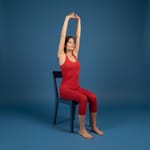
Overhead Reach
Duration: 0:30
Reach skyward to lengthen your spine and wake up the shoulders with a simple overhead stretch.
Difficulty: Beginner
Instructions
- Sit tall with arms relaxed by your sides.
- Sweep your arms out and up overhead, interlacing your fingers with palms facing up.
- Reach toward the ceiling while relaxing your shoulders downward.
Tips
- Lengthen through your spine to create extra space between vertebrae.
Adjustments
- Keep hands shoulder-width apart if interlacing feels uncomfortable.
- Gently lean side to side for an added stretch along your ribcage.
Who Should Try This
Anyone who wants to maintain or improve their neck’s range of motion. Great as a morning routine to shake off overnight stiffness, or as an active recovery session between deeper stretch days.
Tips for Best Results
- Move through each exercise at a steady, controlled pace. This is not a race.
- Pay attention to any directions that feel restricted. Those are the areas that need the most work.
- Pair this with a deeper routine like tension release or deep release later in the week for balanced neck care.
- This routine works well as a daily practice since the movements are gentle enough for everyday use.
Keep Moving
Mobility is a use-it-or-lose-it quality. Your neck was built to turn, tilt, and rotate freely. This routine makes sure it keeps doing that. A few minutes of daily movement prevents the kind of stiffness that turns into real problems down the road.


