

About This Core and Back Posture Routine
Good posture comes from balanced strength across your entire torso. When your core and back muscles work together effectively, upright alignment becomes natural rather than requiring constant attention. This lab builds that comprehensive strength through targeted holds.
What This Routine Targets
This lab addresses posture from multiple angles. You’ll strengthen the anterior core through crunches and dead bugs, develop posterior chain stability through bridges and bird dogs, build lateral support through side leg raises and side planks, and integrate everything through plank holds.
What’s Included
This four-minute routine includes ten exercises covering all aspects of postural support. Each position receives fifteen to thirty seconds of work, building time under tension across the complete muscular system that holds you upright. The sequence alternates between front, back, and lateral work.
Who Should Try This
This routine helps anyone wanting comprehensive postural strength in one focused session. It benefits those recovering from back issues, desk workers fighting slouch patterns, and athletes wanting the torso stability that supports all movement. The balanced approach ensures no muscle group gets neglected.
Tips for Best Results
Focus on quality engagement rather than just holding position. In the bird dog and bridge variations, think about creating length through your spine. In the plank and side work, maintain straight alignment rather than letting anything sag. Every position should feel like active work.
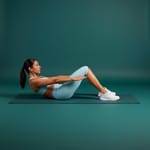
Crunch Hold
Duration: 0:15
Hold a fierce crunch to fire up your abs and build time under tension without any fancy equipment.
Difficulty: Beginner
Instructions
- Lie on your back with knees bent and feet planted.
- Engage your core to lift your head, neck, and shoulders off the floor.
- Reach your arms forward, keeping them parallel to the ground, and hold the position while breathing steadily.
Tips
- Press your lower back into the mat to protect your spine.
- Keep the arms strong and level to remind your upper body to stay lifted.
Adjustments
- Support your head with your hands if your neck needs a break, keeping elbows wide.
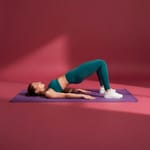
Bridge
Duration: 0:15
Lift into a grounded bridge to awaken glutes and hamstrings while giving your spine a friendly stretch.
Difficulty: Beginner
Instructions
- Lie on your back with knees bent, feet hip-width, and arms relaxed by your sides.
- Press through both heels to raise your hips, creating a straight line from knees to shoulders.
- Hold the lift with glutes fired up and breathe into your ribs before lowering with control.
Tips
- Squeeze the glutes at the top so the work stays in the backside instead of the low back.
- Keep ribs down and core engaged to prevent excessive arching.
Adjustments
- Lift the hips to a halfway point if you want a lighter option.
- Rest your head on a folded towel when the neck needs extra support.
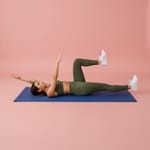
Dead Bug
Duration: 0:30
Stabilize your core with controlled dead bug holds that challenge coordination and focus.
Difficulty: Beginner
Instructions
- Lie on your back with arms reaching toward the ceiling and legs extended.
- Brace your core, lift one knee above the hip, and raise the opposite arm toward the ceiling.
- Hover the other arm and leg just off the floor and hold the position with steady breathing.
- Switch sides halfway through the set with the same control.
Tips
- Press your lower back into the mat to keep your spine safe.
- Keep hips square and avoid letting one side drop toward the floor.
Adjustments
- Work through a smaller range of motion if needed, lifting limbs only partway.
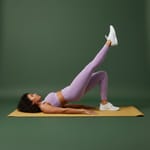
Bridge Leg Lift
Duration: 0:30
Hold a single-leg bridge to fire up your glutes, hamstrings, and core while teaching true hip stability.
Difficulty: Intermediate
Instructions
- Lie on your back with knees bent, feet hip-width apart, and arms along your sides.
- Press through your heels to lift hips up, creating a straight line from knees to shoulders.
- Keeping hips level, extend one leg straight out so the thighs stay parallel.
- Hold the position while breathing steadily, then switch legs halfway through the set.
Tips
- Drive the grounded heel into the floor to keep the hips lifted.
- Imagine balancing a glass of water on your pelvis to avoid dropping the lifted side.
Adjustments
- Lift the working foot only a few inches or keep a bend in the raised leg if needed.
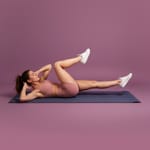
Bicycle Crunch Hold
Duration: 0:30
Lock into a bicycle crunch and feel your obliques fire while you balance between power and control.
Difficulty: Intermediate
Instructions
- Lie on your back with knees bent and feet on the floor, then lace your fingers lightly behind your head.
- Lift head, shoulders, and upper back off the mat while pressing your lower spine down.
- Extend one leg long and pull the opposite knee toward your chest as you rotate to bring the opposite elbow toward that knee.
- Hold the twist with steady breathing, then switch sides halfway through the set.
Tips
- Keep the core braced so the lower back stays glued to the mat.
- Think about rotating the ribcage rather than yanking the elbow forward.
- Support your head gently with your hands without pulling on the neck.
Adjustments
- Keep both knees more bent or rest the extended heel on the floor if you need to dial the intensity down.
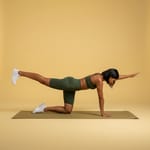
Bird Dog
Duration: 0:30
Pair opposite arm and leg reaches to build a rock-solid core and graceful balance.
Difficulty: Beginner
Instructions
- Set up on all fours with shoulders stacked over wrists and hips over knees.
- Brace your core, then extend one arm forward while the opposite leg reaches straight back.
- Hold the long line parallel to the floor and breathe steadily before returning to tabletop.
- Alternate sides with the same calm control.
Tips
- Keep your hips level by pressing the supporting hand and knee firmly into the floor.
- Think about length from fingertips through the heel rather than height.
Adjustments
- Practice lifting just the arm or just the leg until the full variation feels steady.
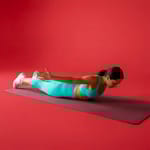
Airplane
Duration: 0:15
Float your chest and arms off the mat to fire up the entire backside and remind your posture muscles who is in charge.
Difficulty: Beginner
Instructions
- Lie face down with arms stretched out at shoulder height like wings and legs long behind you.
- Engage glutes and lower back to peel your chest and arms off the floor.
- Keep your gaze slightly forward so the neck stays long and hold the lift while breathing steadily.
Tips
- Reach fingertips sideways and squeeze shoulder blades toward each other to light up the upper back.
- Think about length as much as height to avoid crunching through the low back.
Adjustments
- Lift just an inch or two if you are easing in, focusing on control over height.
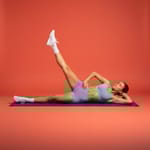
Lying Side Leg Raise
Duration: 0:30
Lift your top leg while lying on your side to groove hip strength and core stability.
Difficulty: Beginner
Instructions
- Lie on one side with legs extended and feet stacked.
- Rest your head on your lower arm and place the top hand on your hip.
- Engage your core and lift the top leg toward the ceiling, creating about a forty-five degree angle.
- Hold briefly, lower with control, and repeat before switching sides.
Tips
- Keep your body in a straight line and avoid letting the hips roll forward or back.
Adjustments
- Work through a smaller range of motion if lifting high feels challenging.
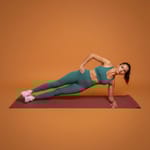
Elbow Side Plank
Duration: 0:30
Hold a powerful side plank on your forearm to challenge your obliques and shoulder stability.
Difficulty: Beginner
Instructions
- Lie on one side with legs extended and feet stacked.
- Place your bottom elbow under your shoulder, forearm flat on the floor.
- Engage your core and lift your hips to form a straight line from head to heels while the top hand rests on your hip.
- Hold with steady breathing, then switch sides halfway through.
Tips
- Keep hips high and stacked so your body stays aligned.
Adjustments
- Drop your bottom knee to the floor if you want extra support.
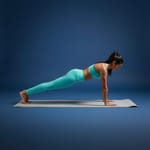
Hand Plank
Duration: 0:15
Hold a high plank to build full-body tension and sharpen your core control.
Difficulty: Beginner
Instructions
- Start on hands and knees, then step both feet back to form a straight line from head to heels.
- Brace your core and press the floor away through your palms.
- Hold the strong plank position with steady breathing.
Tips
- Gaze slightly ahead of your hands to keep the neck neutral.
Adjustments
- Drop to your knees while maintaining a long line from knees to head for a lighter version.
Stability Established
Stand and notice how naturally upright your posture feels. This comprehensive work has activated the complete system of muscles that hold you tall.
Return to this lab regularly for lasting posture improvement. The balanced approach builds the kind of durable support that makes good alignment your default position rather than something you have to remember.
For detailed guidance on core training for posture, read about the best core exercises for posture and why they work better than crunches.


